
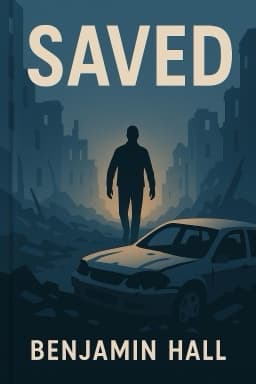
Why War Correspondents Run Toward Danger: Inside the Mind of Benjamin Hall
Unpacking the paradoxical attraction to war zones and the moral challenges faced by frontline journalists.

War correspondents occupy a unique and paradoxical space in the world of journalism. They are drawn to the front lines of conflict, compelled by a powerful mix of professional duty, adrenaline, and a deep desire to reveal the truths hidden beneath the chaos. Benjamin Hall’s career exemplifies this paradox. His willingness to run toward danger, rather than away from it, is rooted in a complex psychological landscape where attraction and repulsion coexist.
One of the most poignant examples of this tension occurred in Libya, where Hall filmed a dying rebel soldier. The moment was raw and heart-wrenching, forcing him to confront the ethical dilemma of whether to intervene or remain an observer.
The psychological toll of witnessing death and destruction is immense. To cope, many journalists develop a protective detachment, a mental armor that allows them to function in extreme conditions. Yet, this detachment is double-edged, as it can lead to emotional isolation and long-term trauma.
Moreover, war correspondents are increasingly targeted in conflicts, facing deliberate attacks designed to silence the truth. Hall’s own experience of being struck by a bomb near Kyiv highlights the mortal risks involved. Despite these dangers, the commitment to bearing witness remains unwavering, fueled by the belief that the world must know the realities of war.
Understanding the psychological and ethical dimensions of war reporting sheds light on the courage and complexity of journalists like Hall. Their work is not just about capturing images or facts but about navigating an intricate web of human emotions, moral questions, and physical dangers.
This exploration of the mind of a war correspondent invites readers to appreciate the profound sacrifices and internal struggles behind the headlines. It challenges us to support and honor those who risk everything to bring us the stories that shape our understanding of conflict and humanity.
For further insights, consider reading detailed reviews and summaries of Hall’s memoir alongside expert commentary on the ethics of war journalism. 1 , 2
Want to explore more insights from this book?
Read the full book summary