
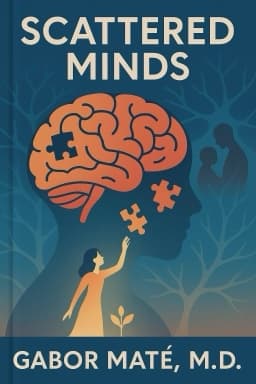
The Surprising Science of ADD: How Your Brain, Family, and Emotions Shape Who You Are
Delve into the latest neuroscience and family research revealing the true nature of ADD and paths to healing.

Attention Deficit Disorder is often misunderstood, but modern neuroscience and psychology reveal a deeper, more hopeful story.
Brain Development: A Dance of Genes and Experience
The brain’s plasticity means it is molded by use and experience. Neural Darwinism ensures that circuits frequently activated grow stronger, while unused ones fade. The prefrontal cortex, the brain’s executive center, matures through emotional attunement with caregivers and environmental stability.
Family and Society: The Emotional Context
Parental stress and conflict create emotional insecurity that disrupts brain wiring. Societal factors like frenetic pace and high stimulation environments further strain families. These forces combine to increase the likelihood of ADD traits emerging.
Emotional Sensitivity: The Core of ADD
Inherited heightened sensitivity leads to strong emotional and physical reactions, often misunderstood by others. This sensitivity is the foundation on which ADD traits build, influencing attention and behavior.
Healing and Hope
The brain’s lifelong plasticity offers hope for healing. Medication helps manage symptoms, but holistic approaches including therapy, nurturing environments, and self-compassion are key. Adults with ADD can learn to parent themselves, fostering emotional regulation and resilience.
By understanding the science of ADD, we move from stigma to empathy and empowerment, embracing the complexity and potential of the ADD mind.
Sources: Psychology Today, APA Monitor, PMC Family Studies, Neurodivergent Insights. 1 2 3 4
Want to explore more insights from this book?
Read the full book summary