
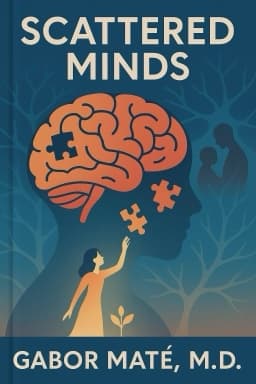
Unlocking the Mystery of ADD: The Hidden Brain Wiring and Emotional Secrets You Need to Know
Discover how early brain development, family dynamics, and emotional sensitivity shape ADD and what it means for healing and growth.

Attention Deficit Disorder (ADD) is often reduced to stereotypes: a child who can't sit still, an adult who struggles to focus. But beneath these surface symptoms lies a profound and complex neurological and emotional landscape that shapes the lives of those affected.
The Brain’s Postnatal Growth: A Window of Opportunity and Vulnerability
Unlike many animals born with relatively mature brains, humans enter the world with an immature brain that grows rapidly after birth. Approximately 80% of brain development occurs postnatally, making the early environment crucial. Neural circuits are shaped by experience in a process known as 'neural Darwinism,' where frequently used synapses strengthen while unused ones prune away. This plasticity allows for adaptation but also vulnerability. The prefrontal cortex, responsible for attention, impulse control, and emotional regulation, develops through interaction with caregivers and environment.
Family and Societal Influences: The Invisible Architects
The family emotional climate profoundly impacts brain wiring. Parental stress, marital conflict, and emotional withdrawal create insecurity that disrupts the attunement necessary for healthy development. Society’s frenetic pace and high stimulation further strain families, reducing emotional availability and increasing risk for ADD traits. Emotional patterns and anxieties often pass through generations, shaping behaviors and brain development beyond genetics.
Emotional Sensitivity: The Genetic Core
Research reveals that what is inherited is not ADD itself but heightened emotional and physical sensitivity. This 'emotional allergy' means individuals react intensely to stimuli that others might barely notice. This sensitivity manifests as emotional pain, social rejection, and physical allergies. Misunderstood as difficult behavior, it is in fact a genuine physiological response requiring compassionate understanding.
The Meaning Behind the Traits: Survival and Adaptation
Distractibility is often a dissociative defense against overwhelming emotional pain, while hyperactivity and lethargy represent fluctuating nervous system states. These behaviors are adaptive responses to chaotic or threatening environments rather than mere symptoms of disorder. Recognizing them as meaningful strategies shifts the focus from blame to empathy.
Healing and Growth: Embracing the Journey
Thanks to lifelong brain plasticity, healing is possible at any age. Medication can aid symptom management but is only part of a holistic approach that includes therapy, environmental support, and self-compassion. Adults with ADD benefit from 'self-parenting,' nurturing themselves with patience and understanding. Creating emotionally safe environments and flexible support systems fosters resilience and growth.
In summary, ADD is a complex interplay of brain development, emotional sensitivity, and environmental factors. Understanding these layers invites compassion, hope, and effective strategies to transform challenges into strengths and live a fulfilling life.
Sources: Psychology Today, APA Monitor, PMC Research on Family Influence, Neurodivergent Insights on Sensory Overload. 1 2 3 4
Want to explore more insights from this book?
Read the full book summary