
Why Financial Education Is the Real Superpower (and How to Get It)
Break Free from the Money Myths That Hold You Back

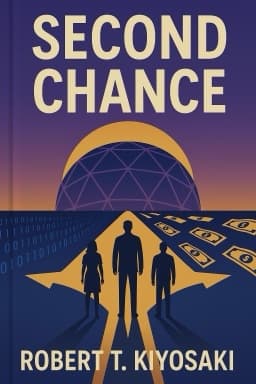
Imagine graduating with honors, landing a good job, and still feeling lost when it comes to managing your money. If this sounds familiar, you’re not alone. Most people—even those with advanced degrees—never learn the basics of financial literacy. Robert Kiyosaki’s ‘Second Chance’ argues that this knowledge gap is the real reason so many struggle financially, regardless of income or ambition.
The Hidden Curriculum: What Schools Don’t Teach
Traditional education is designed to create employees, not entrepreneurs or investors. Students learn math, science, and literature, but rarely how to balance a checkbook, evaluate an investment, or understand the difference between good and bad debt. This omission isn’t just an oversight—it’s a form of control, keeping most people dependent on jobs and vulnerable to economic shifts.
Assets vs. Liabilities: The One Lesson That Changes Everything
Most people think owning a home or a car makes them wealthy. But unless these things put money in your pocket, they’re liabilities. Kiyosaki’s definition is simple: assets generate income, liabilities create expenses. Mastering this concept is the first step to financial freedom.
Cash Flow Over Savings
Saving is important, but it won’t make you rich. Inflation eats away at savings, while assets that generate cash flow—like rental properties, dividend stocks, or small businesses—can provide security and growth. The wealthy focus on building streams of income, not just stockpiling cash.
How to Start Your Financial Education
- Read books on personal finance and investing.
- Play educational games like Monopoly to understand cash flow.
- Seek out mentors who have achieved financial success.
- Take online courses or attend workshops.
- Start small—track your spending, review your assets and liabilities, and build from there.
Financial education isn’t just for the wealthy. It’s for anyone who wants to break free from the cycle of paycheck-to-paycheck living and build a secure, independent future. Start today—the tools are within your reach.
Want to explore more insights from this book?
Read the full book summary