
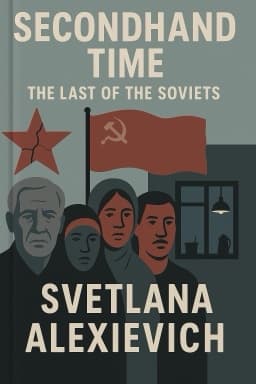
From Red Star to Neon Lights: The Chaotic Birth of Russian Capitalism
How Russia’s sudden shift to capitalism transformed society, dreams, and realities.

The collapse of the Soviet Union opened the floodgates for a dramatic economic transformation. Overnight, Russia shifted from a state-controlled economy to a market-driven one, introducing capitalism with a speed and intensity that few were prepared for. This transition was marked by the implementation of shock therapy reforms aimed at rapidly liberalizing prices and privatizing state assets.
While these reforms were intended to jumpstart economic growth, they also unleashed widespread hardship. Hyperinflation eroded the savings of ordinary citizens, unemployment soared, and social safety nets disappeared. The privatization process was marred by corruption and insider deals, allowing a small group of businessmen, later known as oligarchs, to acquire vast wealth and control over key industries. This new elite stood in stark contrast to the impoverished majority, deepening social divides and fueling resentment.
The cultural landscape shifted as well. Money became synonymous with freedom and success, and consumerism took root in a society that had long been defined by collective ideals. Shopping malls replaced communal stores, foreign brands became status symbols, and the pursuit of wealth overshadowed previous values of equality and solidarity.
Yet, amidst the chaos, many Russians grappled with a sense of loss and disorientation. Nostalgia for the Soviet past grew, especially among those who felt left behind by the new economy. The contradictions of this era—hope and disillusionment, opportunity and inequality—continue to shape Russia’s social fabric today.
Understanding this turbulent period is key to grasping the challenges and complexities of modern Russia. For detailed economic analyses and historical context, consult research from sources like Research Methodology and Wikipedia’s coverage of the dissolution of the Soviet Union. 3 4
Want to explore more insights from this book?
Read the full book summary