
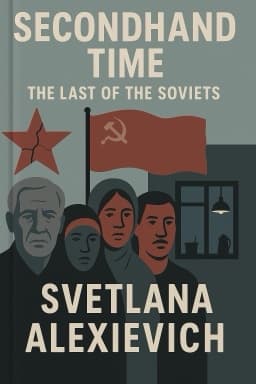
Memory and Nostalgia: The Post-Soviet Quest for Identity and Meaning
How memory shapes identity and the uncertain future of post-Soviet societies.

In the years following the Soviet Union’s collapse, memory has emerged as a powerful force shaping individual and collective identity. Across Russia and other former Soviet republics, nostalgia for the Soviet era persists, especially among young people who never experienced it firsthand. This phenomenon reflects a complex relationship with history, encompassing longing for perceived stability, social cohesion, and a shared past.
Storytelling and oral histories play a crucial role in this cultural landscape. Personal narratives challenge official histories, offering nuanced perspectives that foster understanding and empathy. These stories bridge generations, helping societies to reconcile with traumatic pasts while searching for new meanings and values.
The future of post-Soviet societies remains uncertain. The legacy of history continues to influence politics, culture, and social life. Yet, hope endures in the resilience and creativity of new generations seeking to build identities that honor the past while embracing change.
This exploration highlights the enduring power of memory and the ongoing quest for meaning in a world transformed by history.
For deeper insights into memory and identity in post-Soviet contexts, see research from cultural studies and social sciences available through academic and cultural platforms. 1 2 4
Want to explore more insights from this book?
Read the full book summary