
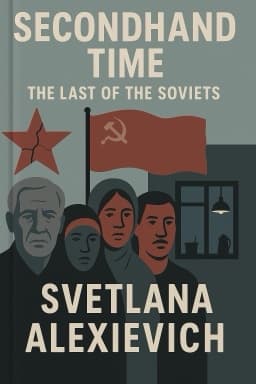
Power Plays and Media Control: Inside Russia’s Political Landscape Post-Soviet Union
How political power consolidated and dissent was suppressed in the new Russia.
Following the collapse of the Soviet Union, Russia’s political system underwent significant changes, marked by the centralization of power in the presidency. The Russian president today wields authority reminiscent of the Soviet general secretary, exercising near-absolute control over government institutions and political processes.
Media control is a key tool in maintaining this power. By 2010, most major media outlets were under government influence, limiting independent journalism and shaping public opinion through state narratives. The internet, initially a space for free expression, faces increasing censorship and surveillance.
Youth organizations such as Nashi have been established to foster loyalty to the ruling party, employing tactics reminiscent of Soviet-era Komsomol groups. These organizations engage young people in patriotic activities while suppressing dissent and opposition.
Protests and political activism face legal and extralegal obstacles, with activists often subject to intimidation and arrest. The political arena is characterized by managed democracy, where elections occur but real power remains concentrated.
This political landscape poses challenges for freedom, justice, and civil society in Russia, raising questions about the future of democracy and governance in the country.
For detailed political analyses and historical perspectives, consult resources such as Wikipedia’s page on the dissolution of the Soviet Union and research from academic institutions. 3 4
Want to explore more insights from this book?
Read the full book summary