
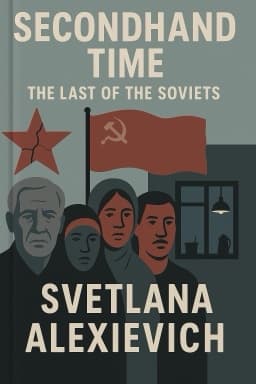
The Russian Soul Unveiled: Endurance, Contradiction, and Cultural Identity
A deep dive into the enigmatic character that defines Russia’s people and culture.

To understand Russia is to grapple with the idea of the Russian soul—a concept as vast and mysterious as the country’s expansive landscapes. This soul embodies endurance through hardship, a spiritual depth that embraces paradox and contradiction. It is a soul forged through centuries of wars, famines, repression, and cultural triumphs.
Folklore plays a vital role in shaping this identity. Characters like Ivanushka the Fool and Emelya the Simpleton are more than just stories; they represent a cultural embrace of miracles, fate, and the unexpected. These tales reflect a national psyche that finds meaning in suffering and humor in adversity.
Literature and art have long explored these themes, revealing the depths of human emotion and the tensions between authority and freedom, hope and despair. The Russian soul is not static but dynamic, evolving as society changes. In the post-Soviet era, this identity continues to influence how Russians see themselves and their place in the world, blending nostalgia with a search for new meaning.
This exploration offers insight into the enduring spirit of a people whose history is marked by complexity and resilience, inviting readers to appreciate the rich tapestry of Russian culture and identity.
For more on the cultural and historical context of the Russian soul, refer to comprehensive historical and sociological studies available through academic and cultural institutions. 1 3
Want to explore more insights from this book?
Read the full book summary