
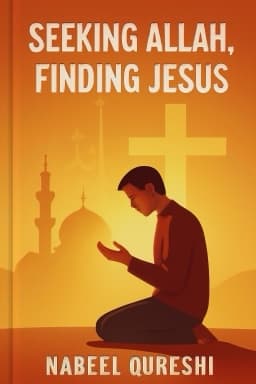
Why the Quran’s Textual History Matters: Unpacking the Complexities Behind the Sacred Text
A deep dive into how the Quran was compiled, the role of hadith, and what this means for believers today.

The Quran holds a central place in Islamic faith as the ultimate source of divine guidance. Yet, when we look closer at its history, we find a rich tapestry woven from oral tradition, fragmented writings, and editorial decisions. This process, spanning decades after the Prophet Muhammad’s death, challenges the common perception of a perfectly preserved text handed down unchanged.
Hadith literature further complicates this picture. These narrations provide context and elaboration for Quranic verses but vary widely in authenticity. Some hadith contradict the Quran or each other, prompting scholars to develop rigorous classification methods. This dynamic reflects the human element in religious transmission—the interplay of memory, politics, and community needs.
For many believers, these insights provoke difficult questions: How can one trust a text with such a history? What does it mean for divine inspiration? The answer lies in embracing both faith and reason, recognizing that sacred texts exist within historical realities. This understanding enriches the spiritual journey by inviting deeper engagement and humility.
Exploring the Quran’s textual history also opens doors to interfaith dialogue. It highlights common human experiences in preserving sacred traditions and fosters empathy between Muslims and those of other faiths.
In sum, the story of the Quran’s compilation is a powerful reminder that faith is lived within history, shaped by human hands but inspired by divine purpose. It challenges believers to hold their convictions with both confidence and openness.
1 4
Want to explore more insights from this book?
Read the full book summary