
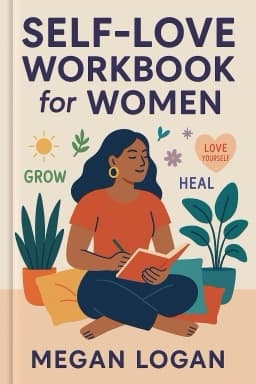
Setting Boundaries Without Guilt: The Secret to Empowered Relationships
Why Boundaries Are the Ultimate Act of Self-Love (And How to Set Them)

For too long, women have been taught to put others’ needs before their own, leading to exhaustion, resentment, and even burnout. But what if setting boundaries was the key to healthier, more empowering relationships? In this blog, we uncover the myths about boundaries, share proven strategies for assertive communication, and offer real-world examples of women who’ve transformed their lives by honoring their limits.
Why Boundaries Matter
Boundaries are not barriers; they are bridges to authentic connection. When you set clear limits, you teach others how to respect you—and you model self-respect for those around you. Expert Insight: Psychologists agree that boundaries are essential for mental health and personal growth.
Recognizing Red Flags
Unhealthy relationships often involve manipulation, gaslighting, or codependency. Learning to spot these patterns early allows you to protect yourself and make empowered choices. Tip: Trust your gut—if something feels off, it probably is.
Scripts for Assertive Communication
Saying no doesn’t have to be harsh. Practice scripts like, 'I need some time for myself,' or 'That doesn’t work for me.' The more you practice, the easier it becomes. Example: One woman found that by setting boundaries at work, she gained respect and new opportunities.
The Role of Attachment Styles
Your childhood experiences shape how you relate to others. Understanding your attachment style helps you break unhealthy cycles and build stronger, more secure connections.
Creating a Culture of Respect
When women set boundaries, everyone benefits. Children learn self-respect, partners become more supportive, and communities grow stronger. Final Thought: Boundaries are not selfish—they are a gift to yourself and those you love.
Want to explore more insights from this book?
Read the full book summary