
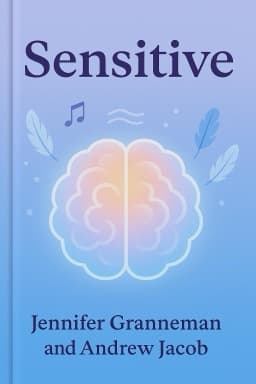
Overwhelmed? How Sensitive People Can Reclaim Calm in a Chaotic World
Practical strategies for sensitive individuals to soothe their senses and thrive amidst modern chaos.

The modern world is a symphony of sounds, lights, and nonstop information. For highly sensitive people, this symphony can quickly become a cacophony, leading to overstimulation and exhaustion. But why does this happen, and how can sensitive individuals reclaim calm amidst the chaos?
Humans possess eight sensory systems: visual, auditory, tactile, gustatory, olfactory, vestibular (balance), proprioceptive (body awareness), and interoceptive (internal body signals). Sensitive people have lower sensory thresholds, meaning their 'sensory buckets' fill faster. When overwhelmed, the brain’s threat system activates, triggering fight, flight, or freeze responses, while the drive system pushes for achievement, sometimes leading to burnout.
The antidote is the soothe system, which promotes calm, connection, and recovery. Activating this system through mindfulness, quiet spaces, nature, and self-compassion can restore balance. For example, stepping into a quiet art gallery after a noisy day or practicing deep breathing can soothe frazzled nerves.
Recognizing early signs of overstimulation—such as irritability, fatigue, or sensory sensitivity—is key. Setting boundaries, creating sensory-friendly environments, and prioritizing rest help sensitive people manage their energy. Techniques like grounding exercises, limiting screen time, and scheduling downtime are powerful tools.
By understanding the biological and emotional mechanisms behind overstimulation, sensitive individuals can move from feeling overwhelmed to empowered.
Embracing sensitivity means learning to honor your limits and nurture your inner calm. This knowledge transforms sensitivity from a source of struggle into a wellspring of strength and resilience.
Want to explore more insights from this book?
Read the full book summary