
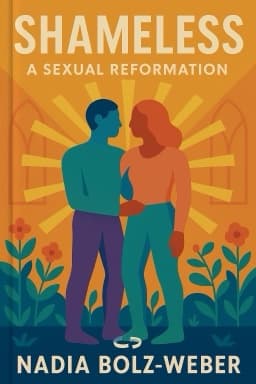
Is ‘Shameless’ Too Radical? The Controversy Over Nadia Bolz-Weber’s Sexual Reformation
Why ‘Shameless’ Divides Christians—and Why That Matters

Why ‘Shameless’ Divides Christians—and Why That Matters
When Nadia Bolz-Weber released ‘Shameless: A Sexual Reformation,’ it was clear this was not a book meant to please everyone. Instead, it set off a firestorm of debate—praised as prophetic by some, condemned as heretical by others. So why does ‘Shameless’ provoke such strong reactions?
The Arguments Against
Conservative critics argue Bolz-Weber’s approach is too permissive, that it gives religious legitimacy to the sexual revolution and undermines biblical authority. They warn that her reimagining of sexual ethics could lead to moral chaos and the collapse of traditional values. Some see her embrace of LGBTQ+ inclusion as particularly threatening, arguing that it distorts the core teachings of Christianity.
The Arguments For
Progressive Christians and many outside the church counter that ‘Shameless’ is a necessary corrective to centuries of harm. They point to the damage done by purity culture, the epidemic of sexual shame, and the exclusion of LGBTQ+ people. For them, Bolz-Weber’s theology is not about permissiveness but compassion, honesty, and the belief that God’s love is bigger than our rules.
The Stakes for the Church
What’s really at stake is the future of Christian community. Will churches double down on exclusion, or will they embrace a wider circle? Bolz-Weber’s critics fear loss of identity; her supporters see a chance for renewal and healing.
Voices from the Margins
Perhaps the most important voices in this debate are those who have been excluded—queer Christians, survivors of purity culture, and those who have felt unworthy of love. ‘Shameless’ gives them a place at the table, insisting that their stories matter.
Conclusion: The Ongoing Reformation
Whether you see ‘Shameless’ as too radical or just radical enough, its impact is undeniable. The conversation it started is reshaping the church, forcing communities to wrestle with what it means to be faithful, loving, and truly inclusive.
2
1
4
Want to explore more insights from this book?
Read the full book summary