
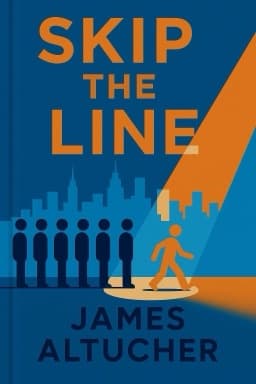
10,000 Experiments: Why Failing Forward is Your Fastest Path to Success
Embrace failure as a powerful teacher and learn why every experiment brings you closer to your breakthrough.

What if there were no failures, only experiments? This radical idea shifts the way we approach challenges and growth.
History offers inspiring examples: Galileo disproved centuries-old beliefs with a simple experiment; Edison tested thousands of battery materials before success. These pioneers embraced trial and error as the path to discovery.
In your own life, designing small, manageable experiments lets you test ideas quickly and cheaply. Whether it’s launching a new project, trying a creative technique, or exploring a career change, each attempt provides valuable data.
Reframing failure as learning reduces anxiety and encourages risk-taking. Persistence, fueled by curiosity, turns setbacks into stepping stones. This approach accelerates mastery and uncovers opportunities missed by those who avoid risk.
By becoming a scientist of your own life, you cultivate resilience and creativity. This leads naturally to breaking skills into microskills and borrowing knowledge across domains, accelerating your unique path to mastery.
Next, we’ll explore how adopting a scientific mindset and emotional detachment empowers you to innovate and grow without fear.
1 , 3 , 4Want to explore more insights from this book?
Read the full book summary