
How Legal Systems Punish Parenting Mistakes: The Untold Story of Fear and Justice
Exploring the complex, often unfair legal challenges parents face amid societal fear and how privilege shapes outcomes.

Parenting is challenging enough without the added burden of legal scrutiny that can turn a momentary lapse into a criminal charge. This blog explores the complexities and injustices parents face when fear-driven policies intersect with the legal system.
Many states lack clear laws defining how long a child can be left unattended, creating legal gray areas that leave parents vulnerable. Charges such as 'contributing to the delinquency of a minor' can be applied inconsistently, often influenced by subjective judgments rather than objective risk assessments.
Moreover, legal outcomes are not uniform. Parents with higher socioeconomic status often have better access to legal representation and social capital, which can mitigate penalties. In contrast, lower-income and minority parents are disproportionately investigated and penalized, reflecting systemic biases within child welfare and justice systems.
The emotional toll on parents, especially mothers, is profound. Mother-shaming culture amplifies feelings of guilt, isolation, and fear. Social stigma and legal consequences can disrupt family stability and undermine parental confidence.
Addressing these challenges requires legal reform, greater awareness of systemic inequalities, and a cultural shift toward empathy and support rather than punishment. Parents deserve fair treatment that acknowledges human fallibility while protecting child welfare.
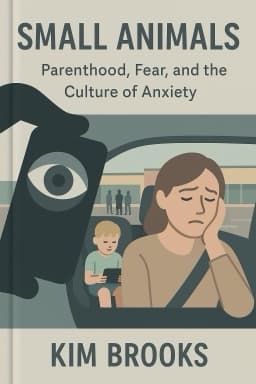
This discussion is informed by recent sociological research and historical analyses found in works like Anxious Parents: A History of Modern Childrearing in America and contemporary legal studies. 1 3
Want to explore more insights from this book?
Read the full book summary