
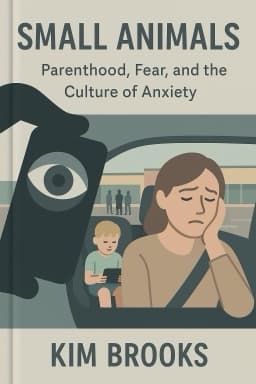
The Hidden Truth About Parenting Fear: Why You're More Anxious Than You Think
Exposing the myths and media exaggerations that fuel parental anxiety and how to regain perspective.

It's no secret that parenting today is filled with anxiety, but much of that fear is not rooted in reality. Instead, it is a product of media sensationalism, cultural myths, and cognitive biases that distort our perception of risk. This blog shines a light on these hidden truths and offers a path to reclaiming calm and confidence in parenting.
Despite the pervasive fear of child abduction and harm, statistics tell a different story. Violent crime rates against children have significantly declined over the past few decades. Moreover, most child abductions are committed by someone the child knows, not strangers, debunking the widely held 'stranger danger' myth. Yet, media coverage tends to focus on rare, dramatic cases, creating a distorted risk landscape that parents internalize.
This distortion is explained by the availability heuristic—a cognitive bias where people judge the likelihood of events based on how easily examples come to mind. Sensational headlines and viral social media stories make rare dangers seem common, fueling moral panics that demand increased surveillance and control.
The consequences of this fabricated fear are far-reaching. Parents become overprotective, micromanaging their children’s lives and sacrificing freedom for perceived safety. This heightened vigilance can lead to social judgment, legal scrutiny, and emotional exhaustion. It also perpetuates social inequalities, as marginalized families face harsher consequences under fear-driven policies.
Understanding these dynamics empowers parents to question the narratives they encounter and to seek balanced information. Critical media literacy becomes an essential tool for navigating parenting in the digital age. Communities that foster open dialogue and mutual support can help break the cycle of fear and isolation.
Ultimately, recognizing the social construction of parenting fear opens the door to more compassionate, realistic, and joyful parenting. It reminds us that while vigilance is important, it must be tempered with trust, perspective, and connection.
For those interested in deeper insights, books like Anxious Parents: A History of Modern Childrearing in America and articles from The Atlantic provide valuable context and analysis. 1 2
Want to explore more insights from this book?
Read the full book summary