
Why Modern Parenting Feels Like a High-Stakes Competition (And How to Survive It)
Unpacking the intense pressures, fears, and social dynamics that make parenting today feel like a relentless contest.

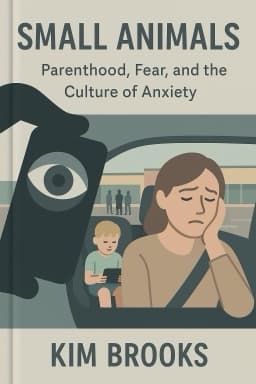
Parenting today is unlike any time in history. The stakes feel incredibly high, the rules are often unwritten but unforgiving, and the audience—other parents, family, social media followers—is ever-watchful. This blog delves into the heart of why modern parenting feels like a relentless competition, fraught with anxiety and fear, and what can be done to navigate this challenging landscape.
At the core of this competitive culture is an intense pressure to perform. Parents are expected to make perfect choices about everything: the right preschool, organic foods, extracurricular activities, and screen time limits. Failure to meet these invisible standards can provoke harsh judgment and internalized guilt. This pressure is not just personal but social, fueled by constant comparison and amplified by social media platforms that showcase curated snapshots of 'perfect' family life.
But where does this pressure come from? Partly, it arises from a cultural fabrication of fear. Despite significant declines in violent crime and child abduction rates over recent decades, parents perceive the world as more dangerous than ever. Media sensationalism and moral panics exaggerate rare risks, creating an availability heuristic that distorts risk perception. Parents become hyper-vigilant, often sacrificing freedom and joy for safety and control.
This fear-driven culture has profound consequences. It disproportionately targets mothers, who face gendered scrutiny and social shaming, and exacerbates inequalities, with lower-income and minority parents more likely to be penalized. Legal systems often lack clarity on issues like brief child supervision, leading to inconsistent and sometimes harsh penalties that reflect systemic biases rather than objective assessments.
Understanding these dynamics is crucial. The culture of competitive parenting and fear is sustained by negative social feedback loops—where judgment breeds more fear, which in turn fuels more judgment. Parents hide their struggles to avoid stigma, perpetuating isolation and anxiety. Historical context shows that parental anxiety is not new but has evolved alongside social changes, including the shift from communal child-rearing to isolated nuclear families.
To survive and thrive in this environment, parents and society must cultivate empathy, reject unrealistic standards, and rebuild community support. Parenting should be about connection, presence, and compassion rather than perfection and competition. By acknowledging the social and cultural forces at play, we can begin to create a more humane and supportive parenting culture.
This journey through fear, competition, and social dynamics is not just a critique but a call to action—for parents to support each other, for communities to offer real help, and for policymakers to address systemic inequalities. Only then can we hope to raise children in a world where parents feel empowered rather than imprisoned by fear.
References and further reading include Anxious Parents: A History of Modern Childrearing in America which provides a deep historical perspective, and contemporary analyses of parenting anxiety and social dynamics in publications like The Atlantic and Christian Century. 1 2 3
Want to explore more insights from this book?
Read the full book summary