
Unlocking Consumer Secrets: How Small Data Reveals What Big Data Misses
Discover the hidden clues in everyday life that transform brands and drive innovation.

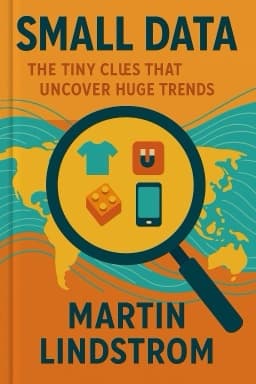
In today's data-driven world, businesses often rely on massive datasets—Big Data—to predict consumer behavior and tailor marketing strategies. But what if the most profound insights don't come from numbers alone? What if the tiny, overlooked details in everyday life hold the key to understanding what truly motivates people? This is the essence of Small Data, a concept brilliantly explored by Martin Lindstrom in his groundbreaking book.
What Is Small Data?
Small Data refers to the qualitative clues and subtle patterns found in people’s homes, routines, and personal environments. Unlike Big Data’s quantitative approach, Small Data involves immersive ethnographic research—living among consumers, observing their behaviors, and interpreting the emotional and cultural signals embedded in their lives. For example, a fridge covered with magnets in a remote Russian home isn’t just decoration; it's a mosaic of hope and escape. Similarly, the worn sneakers of a young skateboarder reveal a deep desire for mastery and social status.
Why Small Data Matters
Big Data can tell you what consumers buy, but Small Data tells you why they buy it. It uncovers the emotional truths behind purchasing decisions, which are often invisible in large datasets. This approach enables brands to innovate authentically and create products that resonate on a human level. When LEGO was near bankruptcy, it was a single observation of a child’s sneakers that inspired a product pivot towards complexity and mastery, leading to a remarkable turnaround.
Emotional Connection Through Small Data
Brands that tap into Small Data insights build emotional bonds with consumers by addressing their inner desires and fears. For instance, in Saudi Arabia, the fear of fire is so ingrained it shapes home decor and mall design, with water imagery used to create calming environments. Recognizing such cultural nuances allows marketers to create Permission Zones—spaces where consumers feel safe to engage, indulge, and express themselves.
Building Communities and Trust
Small Data also reveals social dynamics that influence buying behavior. An online platform in Russia built by and for mothers fostered trust through shared advice and collaborative shopping, turning e-commerce into a communal experience. This approach highlights how emotional and social connections are vital to modern retail success.
Integrating Small Data with Big Data
The future of consumer insight lies in blending Small Data’s emotional depth with Big Data’s scale. While Big Data provides broad trends and patterns, Small Data adds context and empathy, enabling businesses to innovate with heart and precision. This integration promises a human-centered approach to marketing and product development that respects cultural diversity and individual identity.
By embracing Small Data, brands can move beyond superficial metrics and connect with consumers in meaningful ways, unlocking growth and loyalty that numbers alone cannot achieve.
Explore these ideas further and discover how your brand can benefit from the power of Small Data.
References:
- Purpose Focus Commitment: Book review of Small Data 1
- Medium summary of Small Data insights 2
- Amazon reader reviews and insights on Small Data 4
Want to explore more insights from this book?
Read the full book summary