
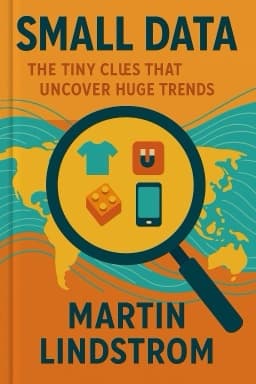
Why Your Brand Needs Permission Zones: Creating Emotional Safe Havens for Consumers
Learn how creating spaces of emotional freedom boosts loyalty and sales.

In a crowded marketplace, winning consumer loyalty requires more than just good products—it demands emotional connection. One powerful strategy is creating Permission Zones: spaces where consumers feel safe to let down their guard and engage freely with your brand.
What Are Permission Zones?
Permission Zones are environments—physical or digital—that invite emotional freedom. They encourage consumers to relax, explore, and express themselves without judgment. For example, a supermarket in the American South introduced square cakes breaking the traditional round shape, signaling to shoppers that it’s okay to break the rules and enjoy indulgence. Playful in-store debates about favorite rotisserie chickens further fostered community and excitement.
The Role of Sensory Branding
Permission Zones often engage multiple senses—sight, sound, touch, and smell—to create immersive experiences. The distinct sound of a soda pouring, the tactile feel of packaging, or the aroma of freshly baked bread can all serve as somatic markers, emotional imprints that make brand interactions memorable.
Cultural Sensitivity Matters
Understanding local fears and desires is essential. In Saudi Arabia, water-themed decor counters a cultural fear of fire, creating calming shopping environments. In Russia, community festivals for mothers foster trust and social connection, transforming e-commerce into a shared experience.
Benefits for Brands
Brands that cultivate Permission Zones see increased basket sizes, higher transaction volumes, and stronger emotional loyalty. These spaces turn routine shopping into joyful, meaningful rituals.
Learn to design your own Permission Zones and watch your brand thrive by meeting consumers’ emotional needs.
References:
- Medium summary of Small Data and Permission Zones 2
- Purpose Focus Commitment review highlighting retail innovations 1
- Amazon reader reviews on sensory branding 4
Want to explore more insights from this book?
Read the full book summary