
The Surprising Link Between Power-to-Weight Ratios and Human Achievement
How Engines and Athletes Share the Secret to Speed and Endurance

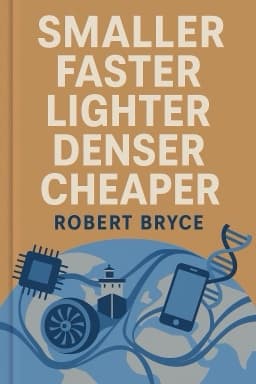
At first glance, the worlds of high-performance engines and elite athletes might seem unrelated. Yet, a key metric—power-to-weight ratio—unites them in the quest for speed and endurance. 'Smaller Faster Lighter Denser Cheaper' reveals how this ratio drives innovation across mechanical and biological domains.
Since the Wright brothers’ pioneering flight in 1903, engine power density has skyrocketed from a modest 116 watts per kilogram to nearly 15,000 watts per kilogram in modern jet turbines. This exponential growth has enabled faster, more efficient aircraft that connect the world. Similarly, cyclists meticulously train to maximize watts per kilogram, balancing muscle power and body weight to conquer challenging courses.
Technological advances in lightweight materials like carbon fiber and aerodynamic design have further boosted performance, whether in machines or humans. Power meters and data analytics allow athletes to refine training, echoing how engineers optimize engine components for maximum output.
This synergy between biology and engineering exemplifies the book’s core message: innovation relentlessly drives progress by making things smaller, faster, lighter, denser, and cheaper. Understanding power-to-weight ratio offers insights into how technology and human potential intersect to push boundaries.
Future blogs will continue to explore how these principles manifest in computing, energy policy, and cultural transformation.
Want to explore more insights from this book?
Read the full book summary