
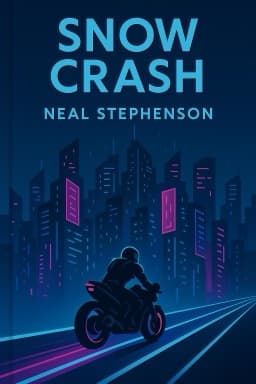
10 Mind-Blowing Predictions ‘Snow Crash’ Made About Our World
From Avatars to Memes: How a 1992 Sci-Fi Classic Became Reality

From Avatars to Memes: How a 1992 Sci-Fi Classic Became Reality
When Neal Stephenson published ‘Snow Crash’ in 1992, few could have imagined how much of his wild, satirical vision would come true. The novel’s world is filled with privatized city-states, virtual reality hangouts, and viral information that spreads like wildfire. Sound familiar? Today, many of these predictions are not just possible—they’re part of daily life.
- The Metaverse: Long before Facebook rebranded as Meta, Stephenson described a persistent, immersive virtual world where people interact as avatars. Today’s VR platforms and online games are building this future, step by step.
- Digital Avatars: In ‘Snow Crash,’ avatars are status symbols, with high-res models reserved for the elite. Modern social media, gaming, and even workplace platforms now use avatars to represent us online.
- Virtual Economies: The novel’s currency and property markets in the Metaverse anticipated everything from Bitcoin to NFTs and in-game economies.
- Franchise Nations: Stephenson’s world is run by corporate enclaves and branded micro-nations. Today, private security, corporate campuses, and even gated communities echo this satirical vision.
- High-Speed Delivery: The book’s Mafia pizza delivery is a hilarious exaggeration—yet today, gig workers race against the clock for companies like Uber Eats and DoorDash.
- Memes as Viral Ideas: ‘Snow Crash’ treats memes as mind-viruses that can shape culture and politics. In our world, memes drive everything from elections to social movements.
- Language as Code: The idea that language can program the mind is mirrored in today’s concerns about propaganda, misinformation, and algorithmic influence.
- Corporate Law Enforcement: Private police and security forces are now a reality in many parts of the world, reflecting Stephenson’s privatized society.
- Online Subcultures: Digital clubs, forums, and communities have replaced many real-world gathering places, just as in the Metaverse.
- Satirical Brand Names: The novel’s ridiculous franchises—like ‘Mr. Lee’s Greater Hong Kong’—poke fun at consumer culture, a trend that continues in viral marketing and startup culture.
Not every prediction has come true, but the sheer number of accurate insights makes ‘Snow Crash’ a must-read for anyone interested in the intersection of technology and society. Stephenson’s blend of humor and foresight is a reminder that the future is always closer than we think.
Want to explore more insights from this book?
Read the full book summary