
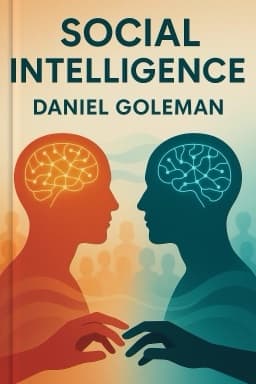
Loneliness Hurts Like a Broken Bone: The Hidden Health Crisis of Disconnection
What Science Reveals About the Cost of Isolation—and How to Heal

What Science Reveals About the Cost of Isolation—and How to Heal
Loneliness is more than a feeling—it’s a health risk on par with smoking, obesity, and high blood pressure. Daniel Goleman’s Social Intelligence and recent neuroscience show that social pain lights up the same brain circuits as physical injury. This means that the sting of rejection, heartbreak, or chronic isolation is not just ‘in your head’—it’s a biological wound.
Chronic loneliness increases the risk of heart disease, depression, and even early death. Yet, the brain’s plasticity offers hope: new, positive social experiences can begin to heal even old wounds. Forgiveness, empathy, and small acts of reconnection can rewire the brain, restore trust, and renew resilience.
For some, such as those with autism or ‘mindblindness,’ the challenge is not a lack of caring, but a different way of processing social cues. Patience, understanding, and inclusive communities can bridge these gaps, offering everyone a chance to belong.
The takeaway? Disconnection is a wound, but one that can heal. Every effort to reach out—to listen, to forgive, to include—creates a pathway to health and happiness, both for yourself and for others.
References: Daniel Goleman, Social Intelligence; SuperSummary; Bookey; Elevate Society.
Want to explore more insights from this book?
Read the full book summary