
Why Kindness Is Contagious: The Ripple Effect of Everyday Compassion
How Small Acts of Caring Transform Lives (Including Yours)

How Small Acts of Caring Transform Lives (Including Yours)
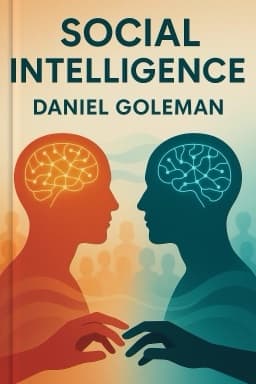
Ever notice how a single act of kindness can change the mood of a whole room? Daniel Goleman’s Social Intelligence reveals the science behind this powerful phenomenon. When you witness or perform a compassionate act, your brain releases uplifting chemicals, creating a feeling known as ‘elevation.’ This emotional boost doesn’t just make you feel good—it also makes you more likely to help others, creating a ripple effect that spreads far beyond the original gesture.
This isn’t just human nature—it’s animal nature, too. Studies show that rats will free trapped companions, monkeys will sacrifice treats to prevent another’s pain, and even babies cry in response to another’s distress. Compassion is hardwired into our biology, a shared legacy that binds us together.
But kindness is more than instinct—it’s a force multiplier for health and happiness. Research shows that people who give and receive support recover faster from illness, have lower stress, and enjoy greater well-being. Communities with high levels of trust and generosity are more resilient in times of crisis.
Want to start your own ripple? Look for small opportunities—a smile, a word of encouragement, a helping hand. These micro-moments of connection don’t just benefit others—they boost your own mood and can even rewire your brain for greater empathy and joy.
In a world where negativity often grabs headlines, kindness is the quiet revolution that changes lives. Try it today—and watch the ripple grow.
References: Daniel Goleman, Social Intelligence; Bookey; Elevate Society; Blinkist.
Want to explore more insights from this book?
Read the full book summary