
The Surprising Science Behind Why Loneliness Hurts Like a Broken Bone
How Our Brains Process Social Rejection—and What You Can Do About It
How Our Brains Process Social Rejection—and What You Can Do About It
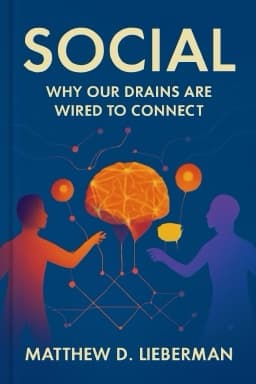
Imagine sitting alone on a park bench, watching groups of friends laughing together, and feeling an ache in your chest that’s almost physical. It turns out, that ache is not just in your mind. According to ground-breaking research by Matthew Lieberman, author of Social: Why Our Brains Are Wired to Connect, the pain of social rejection is processed in the very same brain regions as physical pain. In other words, heartbreak, loneliness, and exclusion literally hurt your brain in the same way as a stubbed toe or a broken arm.
Lieberman’s research, echoed by other neuroscientists, shows that when we experience social pain—such as being left out or losing a loved one—the dorsal anterior cingulate cortex (dACC) lights up. This is the same area that processes the distress of physical pain. Why would our brains do this? Evolutionarily, being part of a group was essential for survival. If you were excluded, your chances of survival plummeted. Our brains, therefore, evolved to treat social pain as a critical warning signal, just as important as physical injury.
But this ancient adaptation has modern consequences. Chronic loneliness, studies show, can be as harmful to your health as smoking 15 cigarettes a day. It increases your risk of heart disease, weakens your immune system, and shortens your lifespan. In fact, the World Health Organization now recognizes loneliness as a major public health concern.
Even more astonishing is the discovery that Tylenol (acetaminophen), a common painkiller, can reduce the emotional pain of social rejection. In controlled studies, participants who took Tylenol after experiencing social exclusion reported less hurt, and their brain scans confirmed reduced activity in pain-processing regions. While this isn’t a long-term solution, it’s a powerful demonstration of how deeply intertwined our emotional and physical worlds really are.
So what can you do if you’re feeling the sting of loneliness or rejection? Neuroscience points to several effective strategies:
- Reach out to others: Even a brief conversation or a shared smile can activate the brain’s reward centers and ease the pain of isolation.
- Practice self-compassion: Recognize that social pain is a universal human experience, not a personal failing.
- Engage in group activities: Join a club, class, or online community—your brain craves connection, and even virtual interactions can help.
- Seek professional support: If loneliness becomes overwhelming, talking to a therapist can help you process pain and build resilience.
Ultimately, Lieberman’s work reminds us that our need to belong is not a weakness, but a biological imperative. By understanding the science behind social pain, we can better care for ourselves and others—and find hope in the knowledge that healing is possible, together. 2 1 3
Want to explore more insights from this book?
Read the full book summary