
From Hollywood to Diplomacy: The Surprising Power of Soft Influence
How movies, music, and education quietly shape the world’s political landscape.

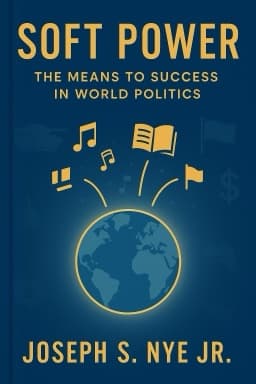
When we think of global influence, images of diplomats and generals often come to mind. Yet, some of the most powerful forces shaping world politics flow from culture—movies, music, and education. This is the essence of soft power, where attraction trumps coercion.
Education is a cornerstone of this cultural influence. Foreign students studying abroad become lifelong ambassadors of ideas and values, influencing their home countries’ leaders and populations. However, contradictions in domestic policies can undermine this soft power, highlighting the importance of consistency and legitimacy.
Public diplomacy harnesses these cultural assets through exchanges, media, and dialogue, adapting to the digital age’s challenges and opportunities. Interactive engagement and listening are key to building trust and cooperation.
Combining cultural appeal with strategic foreign policy—smart power—maximizes influence and fosters lasting partnerships. As the world grows more interconnected, culture’s role in diplomacy will only deepen, shaping the global political landscape in surprising ways.
Want to explore more insights from this book?
Read the full book summary