
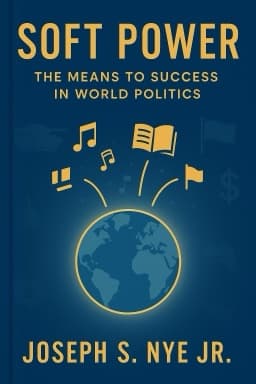
Soft Power Unveiled: The Untold Story of Global Influence Beyond Force
Explore the untold dimensions of power that shape the fate of nations quietly and effectively.

Power is often seen as the blunt instrument of military might or economic clout. Yet, the most enduring influence comes from the ability to shape what others desire and believe. This is the realm of soft power, a concept that reveals the quiet but profound forces shaping international relations today.
Soft power arises from three main sources: culture, political values, and foreign policies. Cultural exports like films, music, and sports communicate ideals that resonate globally. Political values, when genuinely upheld, inspire admiration and emulation. Foreign policies that respect sovereignty and human rights enhance legitimacy.
However, domestic contradictions, such as racial injustice or security overreach, can undermine credibility. The style of engagement matters too. Multilateral diplomacy builds trust and shared purpose, while arrogance and unilateralism alienate allies.
The information revolution has expanded the landscape of soft power. Governments must now compete with nonstate actors and navigate a crowded media environment, requiring adaptive public diplomacy that listens and responds.
Challenges in regions like the Middle East highlight the complexity of wielding soft power where historical grievances and political tensions run deep. Yet, youth engagement and cultural exchange offer hope for gradual transformation.
Ultimately, integrating soft power with hard power into smart power offers the most promising path for effective global leadership. This balanced approach demands vision, coordination, and a commitment to values that inspire trust and cooperation.
Soft power unveils the untold story of influence—one that shapes the future not with force, but with the power of attraction and legitimacy.
Want to explore more insights from this book?
Read the full book summary