
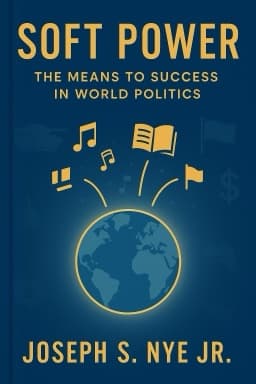
The Secret Weapon of Nations: Why Soft Power Beats Hard Power Every Time
Unveil the hidden force that shapes world affairs beyond military might and money.

When we think of power in world politics, images of tanks, missiles, and economic sanctions often come to mind. However, beneath the surface lies a more subtle and often more effective form of influence known as soft power.
Hard power uses military and economic means to influence others, often through threats or inducements. While necessary, it can breed resentment and resistance if used without care. Soft power, by contrast, works through culture, political values, and foreign policies that others find attractive or legitimate.
Education plays a pivotal role in soft power. Foreign students studying in leading universities become lifelong cultural ambassadors. Popular culture, from Hollywood films to music, spreads ideals of freedom and individualism globally, even reaching societies with restricted media. Yet, contradictions within culture and domestic policies can undercut this influence if perceived as hypocritical.
Diplomacy’s style is equally vital. Multilateral engagement fosters legitimacy and cooperation, while unilateral actions risk isolation. The tone of dialogue—respectful and humble versus arrogant—can determine success or failure in building partnerships.
The information age has transformed soft power, making narrative control and credibility essential. Nonstate actors now wield significant influence, requiring governments to adapt public diplomacy strategies to engage interactively across diverse platforms.
Regions with complex histories, such as the Middle East, challenge soft power’s reach, but youth engagement through media offers pathways for gradual change. Neglecting soft power leads to costly isolation and diminished influence, underscoring the need for integrated approaches.
Smart power, the combination of hard and soft power, emerges as the optimal strategy. It demands strategic coordination and a commitment to values that inspire trust and cooperation.
In the end, the secret weapon of nations is not just their armies or wealth but their ability to attract, inspire, and lead through example.
Want to explore more insights from this book?
Read the full book summary