
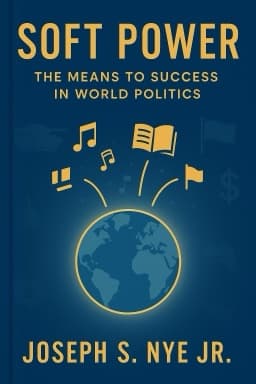
Unlocking Global Influence: How Soft Power Shapes the Future of World Politics
Discover the subtle yet powerful force that drives nations beyond armies and economics.

In the vast arena of international relations, power is often imagined as the might of armies or the weight of economies. Yet, beneath these visible forces lies a subtler, more enduring form of influence: soft power. Coined by Joseph Nye, soft power is the ability to shape the preferences of others through attraction and persuasion rather than coercion or payment.
Unlike hard power, which relies on threats or inducements, soft power emanates from culture, political values, and foreign policies perceived as legitimate or morally authoritative. For example, during the Cold War, American jazz and Hollywood films penetrated the Iron Curtain, inspiring youth and fostering aspirations for freedom. Similarly, foreign students studying in the United States become cultural ambassadors, carrying back nuanced understandings of American ideals that influence future leaders worldwide.
However, soft power is not without its complexities. Domestic policies deeply affect a nation’s global image. Historical practices like racial segregation once undermined America’s credibility abroad, while post-9/11 security measures complicated its relations with Muslim-majority countries. These contradictions highlight how perceived hypocrisy can corrode soft power, emphasizing the need for alignment between values and actions.
Foreign policy style also plays a crucial role. Multilateralism, or working through international institutions, enhances legitimacy and cooperation, whereas unilateralism can isolate and breed resentment. The tone of diplomacy—marked by humility and respect—can either foster attraction or provoke resistance.
The explosion of information technology further transforms power dynamics. Instant global communication demands credibility and narrative control, while nonstate actors like NGOs and corporations increasingly wield soft power. Public diplomacy must evolve from one-way messaging to interactive engagement, listening as much as speaking.
Regions like the Middle East present unique challenges where historical legacies and political complexities complicate soft power’s effectiveness. Yet, youth access to global media offers hope for gradual change through shared aspirations and cultural exchange.
Neglecting soft power carries steep costs—loss of legitimacy, isolation, and increased operational expenses. Military victories alone cannot secure lasting peace or influence without the support and cooperation of others.
Ultimately, the concept of smart power—an integrated approach combining hard and soft power—emerges as the most effective strategy for global leadership. It requires strategic coordination, institutional capacity, and a commitment to values that inspire trust and partnership.
Looking forward, globalization and interconnectedness will amplify soft power’s importance. Governments must collaborate with diverse actors and invest in education and culture to sustain influence and foster peaceful coexistence.
Mastering soft power is mastering the art of attraction—a skill vital for a hopeful and cooperative world future.
Want to explore more insights from this book?
Read the full book summary