
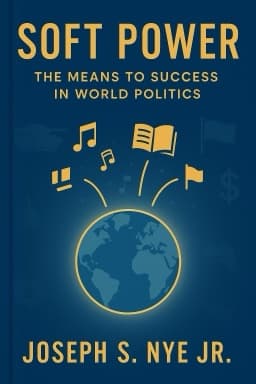
Why Soft Power is the Real Game-Changer in Global Politics
Learn why attraction and legitimacy trump brute force in the modern geopolitical arena.

In the evolving landscape of global politics, the ability to attract rather than coerce is becoming the defining feature of successful states. Soft power, the capacity to shape preferences through culture, values, and policies, is the real game-changer.
Historical examples illustrate soft power’s potency: American cultural exports during the Cold War helped undermine adversaries’ ideological control; educational exchanges created networks of influence; and diplomatic engagement fostered alliances. However, domestic inconsistencies and aggressive foreign policies can erode this influence, underscoring the importance of legitimacy.
The information age amplifies both opportunities and challenges. Rapid communication demands credibility and narrative control, while nonstate actors wield increasing influence. Public diplomacy must adapt to interactive engagement and diverse platforms.
Regions like the Middle East exemplify the difficulties of applying soft power amid deep-seated conflicts and skepticism, but youth engagement through media offers hope for gradual progress.
Neglecting soft power risks isolation and increased costs, while smart power—a strategic blend of hard and soft tools—provides a comprehensive approach to global leadership.
Understanding and harnessing soft power is essential for navigating the complexities of the 21st century and securing a cooperative, peaceful future.
Want to explore more insights from this book?
Read the full book summary