
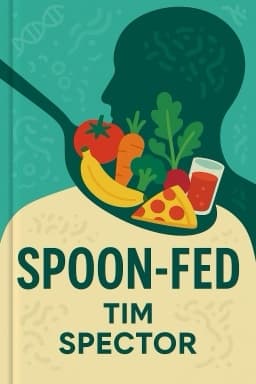
The Truth About Supplements: Why Pills Can't Replace Real Food
Unmasking the supplement industry and understanding why real food always wins.

The supplement industry promises quick fixes and health miracles in a bottle. Yet,
Regulation of supplements is often lax. In the US, manufacturers do not need to prove safety or efficacy before marketing products, leading to misleading claims and occasional contamination.
Vitamin D supplementation is popular but can cause toxicity when overused, affecting heart, kidney, and brain health. Most people get sufficient vitamin D from sunlight and diet.
Clinical trials consistently fail to show that supplements prevent cancer, heart disease, or fractures in the general population. Whole foods provide complex mixtures of nutrients and phytochemicals that work synergistically to support health, which isolated supplements cannot replicate.
Supplements have their place for specific needs, such as folate in pregnancy or B12 in vegans, but they are not substitutes for a healthy diet.
Next, we will reveal the hidden metabolic effects of artificial sweeteners and why they may not be the harmless alternatives they seem.
Sources: 1 , 2
Want to explore more insights from this book?
Read the full book summary