
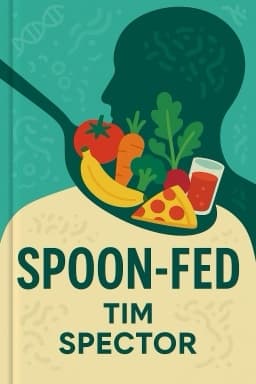
Why Your Diet Is Unique: The Shocking Truth About Personalized Nutrition and Microbiomes
Unlock the secrets of why one diet does not fit all and how your gut microbes hold the key to your health.

For decades, nutrition advice has been simplified into broad guidelines: eat less fat, count calories, and stick to three meals a day. But what if these rules are not just outdated but fundamentally flawed? Emerging research is turning the nutrition world upside down by revealing that
Studies have shown that even identical twins, who share the same DNA, differ significantly in their gut microbiomes. This microbial diversity influences digestion, immune response, and metabolism. For example, two people eating the same meal can have blood sugar spikes that differ by as much as tenfold. This means that the calories and nutrients you absorb depend not only on what you eat but also on who you are biologically.
Personalized nutrition leverages this understanding by using data from continuous glucose monitors, genetic tests, and microbiome analyses to tailor diets that stabilize blood sugar, reduce cravings, and improve overall health. Unlike one-size-fits-all diets, personalized approaches recognize the complexity of human biology and the dynamic nature of our internal ecosystems.
Moreover, factors like circadian rhythms—the natural cycles of hunger and metabolism tied to the time of day—play a critical role. Eating late at night, for instance, can lead to different metabolic outcomes compared to eating the same food earlier. This suggests that when you eat can be just as important as what you eat.
Traditional calorie counting also falls short because calories do not account for the quality of food or individual metabolic differences. Processed foods, cooking methods, and the gut microbiome all influence how many calories your body actually extracts. For example, nuts consumed whole provide fewer usable calories than when ground or roasted.
Understanding these nuances empowers you to move beyond rigid diet rules toward a flexible, informed, and sustainable way of eating. By tuning into your body's responses and leveraging scientific insights, you can craft a diet that truly fits your unique biology.
Ready to rethink your relationship with food? The journey continues as we explore the surprising benefits of fasting and why breakfast might not be the must-have meal it's been claimed to be.
Sources: 1 , 3 , 4
Want to explore more insights from this book?
Read the full book summary