
From Slavery to Mass Incarceration: The Evolution of Racist Ideas in America
A Timeline of American Racism—And the Ideas That Sustained It

A Timeline of American Racism—And the Ideas That Sustained It
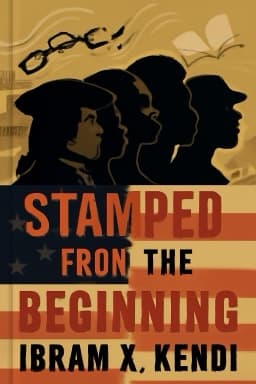
The story of racism in America is not a straight line, but a winding road with many turns. 'Stamped from the Beginning' reveals how each chapter of American history brought new justifications for old hierarchies, adapting to the needs of those in power. This blog traces that evolution, from the first colonial laws to the modern prison-industrial complex.
Colonial Roots
The earliest justifications for slavery were religious and philosophical. European thinkers argued that Africans were naturally suited for servitude, citing climate theories and biblical stories. These ideas were imported to the New World, where they became the foundation for laws that defined Black people as property.
Scientific Racism and Segregation
As America grew, so did the need for new rationalizations. The rise of 'scientific racism' in the 19th century provided a veneer of legitimacy to segregation and discrimination. Pseudoscientific studies claimed to measure intelligence and morality by skull size and skin color, reinforcing the belief in inherent racial differences.
The Jim Crow Era and Beyond
After the Civil War, new policies replaced slavery with segregation and disenfranchisement. The logic of racial hierarchy persisted, now justified by claims about cultural inferiority and the dangers of integration. Even as civil rights victories dismantled legal segregation, new forms of discrimination emerged, from redlining to the war on drugs.
Mass Incarceration
Today, the legacy of these ideas is visible in the criminal justice system. Policies that disproportionately target Black communities are defended with narratives about crime and personal responsibility. Kendi’s work shows that these stories are not new—they are the latest chapter in a long history of blaming the oppressed for their own suffering.
Resistance and Hope
Throughout this history, there have always been those who resisted. Abolitionists, civil rights leaders, and modern activists have challenged the dominant narratives, offering visions of equality and justice. Their stories remind us that change is possible, even against great odds.
Sources:
2
3
4
Want to explore more insights from this book?
Read the full book summary