
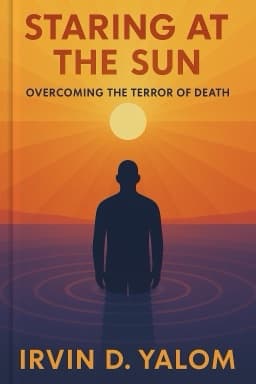
Unlocking the Secret Fear: How Death Anxiety Controls Your Life (And How to Break Free)
Discover the hidden ways death anxiety shapes your life and learn powerful tools to transform fear into freedom.

Introduction: The Invisible Shadow
Have you ever felt an inexplicable dread, a gnawing unease that seems to have no clear source? This is often death anxiety—the fear of our own mortality—disguised beneath layers of everyday stress and worry.
The Origins of Death Anxiety
From earliest childhood, humans encounter death in various subtle ways—fallen leaves, lost pets, the passing of loved ones. Yet, society often teaches us to silence or deny these fears.
This repression means death anxiety often manifests covertly, camouflaged as generalized anxiety, depression, or physical symptoms. Recognizing this hidden presence is the first step toward healing.
Awakening Through Confrontation
Paradoxically, facing death can awaken us to the preciousness of life.
Philosophical Shields Against Fear
Philosophy offers rational comfort. Epicurus famously argued that death is nothing to us because it is the absence of sensation; where death is, we are not. This reasoning dismantles irrational fear by framing death as a natural, non-experienced state. Additionally, the concept of 'rippling'—the ongoing influence we leave on others—provides a secular form of immortality that comforts the soul.
The Healing Power of Connection
Death anxiety isolates, but connection heals.
Therapy Tools for Transformation
Existential therapy addresses death, freedom, isolation, and meaning directly. Techniques like dream analysis and here-and-now focus help patients access unconscious fears and practice authentic living. Therapy endings, often reactivating death anxiety, require sensitive handling to consolidate healing.
Conclusion: From Fear to Freedom
Embracing death awakens self-compassion, enriches appreciation for life, and motivates meaningful action. Therapists must also face their own mortality to guide others effectively. Ultimately, death is not an enemy but a profound teacher inviting us to live fully and authentically.
References
Insights drawn from classic existential psychology, contemporary therapy approaches, and philosophical perspectives on death. For further reading, see works by Ernest Becker, Irvin Yalom, and Sheldon Solomon, among others. 1 2 3
Want to explore more insights from this book?
Read the full book summary