
Why Procrastination Isn’t Your Enemy: The Surprising Science Behind Delay and How to Use It
Unlock the hidden wisdom in procrastination and turn hesitation into your greatest ally.

Procrastination often gets a bad rap, painted as the villain of productivity and personal growth. But what if procrastination is actually your brain’s way of protecting you?
Our ancestors faced real threats daily, and hesitation could mean the difference between life and death. This instinct to delay action when uncertain or threatened still echoes in our modern minds, often misfiring in today’s relatively safe but complex environments.
Scientific studies reveal that procrastination is linked to emotional regulation rather than time management.
Fear of the unknown is a major driver of procrastination. Standing at a crossroads with unclear outcomes triggers anxiety and hesitation. Comfort zones provide a sense of safety but also limit growth.
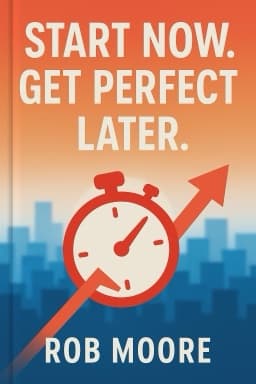
Rob Moore’s approach encourages embracing imperfection and taking small, manageable steps to build confidence. He illustrates how chunking decisions into smaller parts reduces overwhelm and makes starting easier. This method is supported by research on the paradox of choice, which shows that too many options can lead to decision paralysis.
Another critical factor is managing your energy. Everyone has unique daily rhythms, and aligning demanding tasks with your peak energy periods can enhance performance. Using techniques like the Pomodoro Technique helps sustain focus and enter flow states, where work feels effortless and rewarding.
Finally, Moore highlights the importance of recognizing and managing your inner critic—the 'inner bas-tard'—that feeds doubt and procrastination. Self-gaming strategies, including public commitments and reward systems, trick your brain into action and build discipline.
Understanding these layers of procrastination allows you to approach delay with compassion and strategy, turning hesitation into a powerful tool for growth.
Whether you’re struggling to start a project, make a big decision, or break a habit, these insights provide a roadmap out of inertia and into action.
This blog integrates Rob Moore’s teachings with current psychological research to offer a comprehensive guide to overcoming procrastination.
Want to explore more insights from this book?
Read the full book summary