
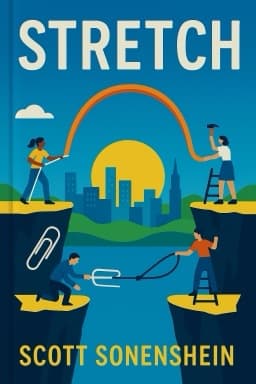
How to Turn Constraints Into Your Greatest Creative Asset: Lessons from 'Stretch'
Discover why limits can spark your most innovative ideas and how to harness them effectively.

Constraints—be they limited budgets, time pressures, or material shortages—are often dreaded as barriers to success. Yet, in Scott Sonenshein’s insightful book Stretch, constraints are reframed as powerful drivers of creativity and innovation.
The key lies in psychological ownership: when people feel a deep connection to their work and resources, they are motivated to find novel uses and improvements. For instance, a retail manager who creatively transforms unsellable dresses into popular beachwear exemplifies this mindset.
Frugality complements this by encouraging respect for resources and long-term thinking. Entrepreneurs turning imperfect fruits into gourmet products demonstrate how overlooked materials can be repurposed to create value, reduce waste, and foster social inclusion.
Moreover, outsider perspectives inject fresh ideas by avoiding cognitive entrenchment. Studies show that biologists solving chemistry problems and socially excluded women scientists outperform traditional experts by thinking unconventionally.
Balancing planning with action is crucial. Overplanning can stifle progress, while improvisation fosters adaptability and collective creativity. Teams practicing active listening and 'yes, and' techniques respond better to challenges.
Finally, expectations shape outcomes. Leaders who set positive, credible expectations inspire higher performance, but recognizing limits prevents burnout.
By embracing constraints as opportunities, cultivating ownership, and fostering diverse perspectives, you can unlock new levels of creativity and innovation.
Sources: sobrief.com, elevatesociety.com, paminy.com, 5minutebooksummary.com
Want to explore more insights from this book?
Read the full book summary