
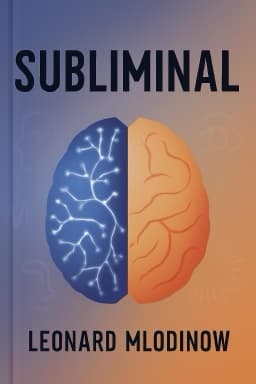
The Invisible Puppeteer: How Your Unconscious Mind Pulls the Strings of Your Life
Explore the unseen forces shaping your thoughts, feelings, and actions every day

Imagine a puppeteer pulling strings behind the scenes, orchestrating every move with precision and subtlety. This is your unconscious mind — the silent driver of your thoughts, feelings, and actions.
Far from being a passive background, the unconscious mind actively shapes our reality. It filters sensory input, fills in gaps, and constructs memories that blend fact with imagination. This reconstructive nature means our memories are less like recordings and more like stories we tell ourselves, influenced by unconscious biases and social contexts.
Our self-image is carefully defended by unconscious processes. Motivated reasoning allows us to maintain positive illusions, such as believing we are better than average in skills or traits. This bias supports self-esteem and motivation but can also blind us to our limitations.
Socially, the unconscious mind categorizes people rapidly, leading to stereotypes and implicit biases. Even trivial group distinctions can trigger favoritism for the in-group and discrimination against outsiders. These dynamics underpin much of human social behavior, from friendships to conflicts.
Emotions arise largely outside conscious control, with brain regions processing pleasure, reward, and social pain. Remarkably, painkillers can reduce the sting of social rejection, showing how intertwined our physical and emotional experiences are.
Consumer behavior is also swayed by unconscious cues. Music, packaging, and branding influence preferences and perceptions without our awareness, demonstrating the subtle power of the subliminal.
By becoming aware of these hidden forces, we can cultivate mindfulness and compassion, improving our relationships and personal growth. Recognizing that much of our mental life is unconscious invites humility and curiosity about the true workings of the mind.
Embrace your invisible puppeteer, and you gain the power to steer your life with greater insight and freedom.
References:
- New perspectives on unconscious behavior control - UNSW News, 2023 1
- Understanding unconscious bias and thought processes - PsyBlog, 2025 2
- Exploring the nonconscious mind’s role in behavior - Neuroscience News, 2024 3
- Advances in cognitive neuroscience of the unconscious - IJCB, 2023 4
Want to explore more insights from this book?
Read the full book summary