
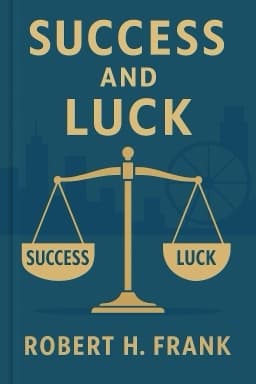
The Luck Factor: How Randomness Shapes Your Life and What You Can Do About It
Understanding the role of chance and learning to harness it for a better life

Life is often portrayed as a straight path from effort to reward. Yet, anyone who has faced unexpected setbacks or serendipitous opportunities knows this story is incomplete. Luck—random chance—is a powerful force shaping outcomes beyond talent, effort, or planning.
Research shows that many successes and failures hinge on factors outside individual control: timing, environment, social networks, and pure coincidence. Recognizing this can be liberating, reducing stress and fostering gratitude for good fortune.
However, humans are wired to deny luck’s role, favoring narratives that credit personal merit. This denial maintains motivation but can breed arrogance and social division. Cultivating humility and gratitude helps balance this, promoting generosity, cooperation, and emotional well-being.
Practically, embracing luck means staying open to opportunities, acknowledging when fortune favors you, and using that awareness to give back. It also means accepting setbacks without undue self-blame, understanding that randomness plays a part.
By integrating these insights, we can live richer, more connected lives, appreciating that success is not a solo journey but a shared blessing shaped by many hands and chance events.
Sources: Drawn from contemporary literature on luck, psychology, and philosophy. For more, see curated book summaries and analyses at SoBrief.com.
Want to explore more insights from this book?
Read the full book summary