
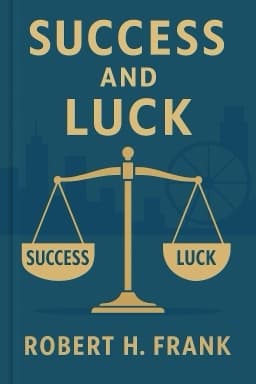
Why Talent Alone Isn’t Enough: The Surprising Science of Luck and Success
Exploring the complex interplay of skill, effort, and fortune in reaching the top

In popular culture, stories of self-made stars and entrepreneurs dominate our imagination. Yet, scientific research paints a more nuanced picture: talent and effort are often necessary but rarely sufficient for extraordinary success. Instead, luck—random chance—often plays a decisive role in who rises and who falls.
Consider experiments where identical songs receive drastically different levels of popularity due to early random listener preferences. Or the phenomenon in youth sports where children born just months earlier are disproportionately represented among professionals, due to age cutoffs that confer developmental advantages. These subtle differences, magnified over time, create a landscape where luck shapes opportunity.
Simulations of large contests reveal that winners are often not the most talented but among the luckiest, as random variation in performance or timing can tip outcomes. Even environmental factors like tailwinds influence world records in track and field, underscoring how uncontrollable forces affect achievements.
Despite this, people tend to deny luck’s influence, driven by cognitive biases such as overconfidence and motivated reasoning. The Lake Wobegon effect, where most individuals believe they are above average, illustrates this tendency. Such false beliefs serve adaptive functions by encouraging persistence but can distort understanding of success and fairness.
Ignoring luck contributes to social divides and resistance to policies that redistribute resources or invest in public goods. Recognizing the role of chance fosters humility, gratitude, and a more realistic approach to personal growth and societal progress.
By embracing both our talents and our fortunes, we can navigate careers with greater wisdom and compassion, appreciating the complex tapestry of factors that weave success.
Sources: Synthesized from psychological studies, market research, and contemporary books on luck and success. Further reading available at SoBrief.com.
Want to explore more insights from this book?
Read the full book summary