
The Untold Stories of ‘Sula’: How Toni Morrison’s Novel Redefines Community and Identity
A deep dive into the significance of the Bottom and its people as a metaphor for resilience and contradiction.

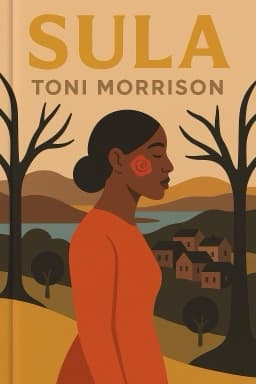
The Bottom, the setting of Toni Morrison’s Sula, is more than a backdrop—it is a living, breathing character in its own right. This neighborhood, perched ironically on hills yet named for fertile lowlands, embodies the contradictions faced by its residents: elevation in geography but marginalization in society.
Rituals such as National Suicide Day and church services provide structure and meaning, offering moments of collective reflection amidst hardship. These traditions bind the community, creating a shared identity that persists despite economic pressures and external threats like the encroachment of commercial development.
The social fabric of the Bottom is complex, marked by tensions between old and new, conformity and rebellion, survival and aspiration. Characters like Eva and Hannah illustrate how personal histories and sacrifices intersect with broader social realities. Eva’s physical loss and sacrifices symbolize endurance, while Hannah’s sexual freedom challenges community norms.
Morrison’s portrayal of the Bottom invites readers to consider how environment and history influence individual and collective identities. The neighborhood is a microcosm of African American experience, reflecting resilience in the face of systemic oppression and the ongoing negotiation between tradition and change.
Understanding the Bottom enriches our appreciation of the novel’s themes and deepens our empathy for its characters. It reminds us that community is both a source of strength and a site of struggle, where identities are shaped and reshaped over time.
References: Insights drawn from cultural analyses and literary critiques of the Bottom’s role in Sula 1 , 3 , 4 .
Want to explore more insights from this book?
Read the full book summary