
Unlocking the Mystery of Human Behavior: How DISC Can Transform Your Life and Relationships
Discover the vibrant world of DISC behavior types and learn how this simple model can revolutionize your communication, leadership, and personal growth.

Understanding the Four Colors of Personality
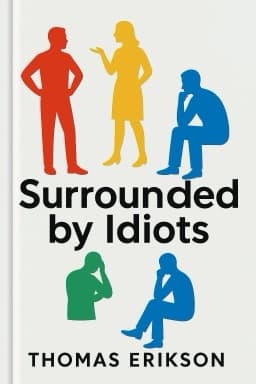
The DISC model divides human behavior into four broad categories, each represented by a color: Red (Dominance), Yellow (Influence), Green (Steadiness), and Blue (Conscientiousness). Reds are decisive, goal-oriented individuals who thrive on challenge and control. Yellows are social, enthusiastic, and persuasive, often the life of the party. Greens are calm, loyal, and supportive, valuing harmony and stability. Blues are analytical, precise, and detail-focused, seeking accuracy and quality.
Why Behavior Types Matter
Understanding these types is not about putting people in boxes but appreciating their unique ways of perceiving and reacting to the world. Every conversation, decision, and relationship is influenced by these underlying personality traits. For example, a Red may prioritize efficiency over feelings, while a Green may seek consensus and avoid confrontation. Recognizing these differences is the first step toward better communication and reduced misunderstanding.
Adapting Communication for Connection
Effective communication hinges on speaking the listener’s language. Reds prefer direct, concise messages; Yellows respond to enthusiasm and warmth; Greens need patience and reassurance; Blues want facts and details. Tailoring your approach not only improves understanding but builds trust and rapport. Imagine a sales pitch that energizes a Yellow with stories and humor but is brief and results-focused for a Red client.
Leadership Through the Lens of DISC
Leaders naturally exhibit behaviors aligned with their dominant DISC type, but the most effective leaders flex their style to meet their team's diverse needs. A Red leader drives decisiveness, a Yellow inspires creativity, a Green fosters cohesion, and a Blue ensures quality. For instance, a leader who adapts communication to support a Green’s need for security while motivating a Red’s drive achieves better team performance.
Managing Stress and Conflict
Under stress, behavior types tend to exaggerate their traits: Reds become more controlling, Yellows more distracted, Greens withdraw, and Blues become hypercritical. Recognizing these patterns enables more compassionate responses and effective conflict resolution. For example, giving a stressed Green space and reassurance can prevent escalation, while providing a stressed Red with clear options helps regain control.
Applying DISC in Personal Relationships
Understanding DISC enriches family and friendships by fostering empathy and tailored communication. Knowing a partner’s or child’s behavior type guides how to support and motivate them. For example, a Yellow child may need encouragement to focus, while a Blue partner appreciates detailed plans. This awareness reduces misunderstandings and strengthens bonds.
Conclusion: Embracing Diversity for a Brighter Future
DISC teaches us that no behavior type is better or worse—each has value and deserves respect. Embracing this diversity leads to more harmonious communities, workplaces, and relationships. As you apply these insights, you become a bridge builder, connecting people across differences and creating a world painted in vibrant colors of understanding.
Want to explore more insights from this book?
Read the full book summary