
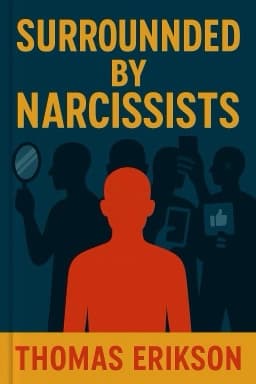
Unmasking the Dark Triad: How Narcissism, Psychopathy, and Machiavellianism Destroy Lives
Discover the hidden dangers of the Dark Triad and learn how to protect yourself from toxic personalities.
The Dark Triad refers to a trio of personality traits that, while distinct, share a common thread of manipulation, lack of empathy, and self-centeredness. These traits—narcissism, psychopathy, and Machiavellianism—pose serious challenges not only to individuals who possess them but also to those who interact with them daily.
Narcissism involves an inflated sense of self-importance, a craving for admiration, and a profound lack of empathy. Narcissists often appear charming and confident but are driven by fragile self-esteem and a need to dominate social interactions.
Psychopathy is characterized by emotional detachment, impulsivity, and a lack of remorse or fear. Psychopaths can be cold, calculating, and dangerous, often engaging in behaviors that harm others without guilt.
Machiavellianism describes individuals who are strategic manipulators, patient and calculating, using deception as a tool for personal gain. Unlike impulsive psychopaths, Machiavellians carefully plan their actions to maintain control.
These traits often overlap, creating individuals who are not only self-absorbed but potentially dangerous. For example, in workplace settings, a leader with Dark Triad traits might manipulate colleagues, exploit power dynamics, and foster toxic environments.
Manipulative tactics such as love bombing—showering someone with excessive attention to gain control—and gaslighting—distorting reality to make victims doubt themselves—are common tools used by narcissists and their Dark Triad counterparts.
The emotional toll on victims is significant, often leading to chronic stress, anxiety, and lowered self-esteem. Relationships with Dark Triad individuals tend to be superficial and transactional, lacking genuine emotional intimacy.
However, awareness and education are powerful defenses. Setting clear, consistent boundaries and maintaining emotional detachment can weaken the control these personalities exert. Support networks and therapeutic interventions are crucial for recovery.
Understanding the Dark Triad is not just about protecting oneself; it is about fostering healthier social interactions and recognizing the signs of toxic relationships early.
For further reading, consider resources that delve into the psychology of these traits and offer practical advice for coping and healing.
References:
Want to explore more insights from this book?
Read the full book summary