
The Laughing Edge: How Humor Turns Good Talks into Unforgettable Experiences
Why Laughter Is the Fastest Way to Win Hearts and Minds

Why do we remember some talks for years, while others vanish from memory? The answer might be simpler than you think: laughter. Humor is the secret sauce that transforms good presentations into unforgettable experiences. It lowers defenses, builds instant rapport, and makes your message stick like glue.
Research shows that humor increases retention by creating positive emotional associations. When people laugh, their brains release endorphins, making them more open and receptive. But not all humor is created equal. The most effective jokes are authentic—rooted in personal stories, gentle self-deprecation, or playful observations about universal experiences.
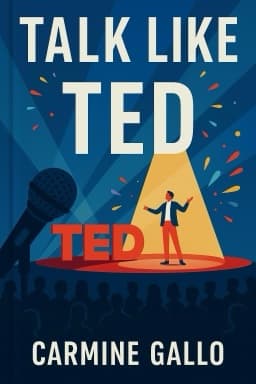
Take the example of a TED speaker who opened with an embarrassing childhood story. The audience laughed, relaxed, and immediately connected. Authentic humor, especially when it reveals vulnerability, builds trust and relatability. Forced jokes or sarcasm, on the other hand, can backfire—so always stay true to your style.
Humor also helps tackle difficult topics. A well-placed joke can diffuse tension, open minds, and make complex ideas more digestible. Practice weaving humor into your stories, visuals, or even your slide titles. The key is to make your audience feel like you’re sharing an inside joke, not performing a stand-up routine.
Incorporate these strategies, and you’ll find that laughter is not just a bonus—it’s a bridge to deeper connection, learning, and action.
Want to explore more insights from this book?
Read the full book summary