
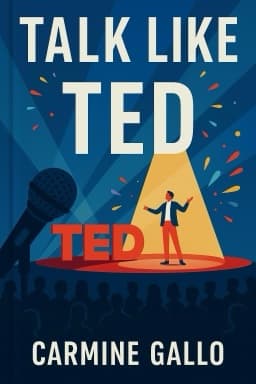
The Science of Storytelling: How TED Talks Hack Your Brain for Maximum Impact
Why Your Brain Loves Stories—and How to Use That Power

What do the world’s best TED Talks have in common? They don’t just share information—they tell stories that make your brain come alive. Neuroscientists have found that when we listen to a compelling story, the same areas of our brain light up as if we’re experiencing the events ourselves. This phenomenon, called 'neural coupling,' is the secret to deep connection and lasting influence.
Stories are 'data with a soul.' They turn abstract concepts into lived experiences, making them easier to understand and remember. For example, Brené Brown’s TED Talk on vulnerability became a viral sensation not because of statistics, but because she wove her research into personal anecdotes and moments of humor. Audiences didn’t just learn—they felt her message.
But why are stories so powerful? Research shows that when we hear a story, our brains release oxytocin, the 'empathy hormone,' making us more receptive and trusting. Vivid details—sights, sounds, textures—activate our sensory cortex, immersing us in the narrative. That’s why props and metaphors are so effective: they anchor ideas in the real world, creating 'flashbulb memories' that stick.
The structure of a great story follows the hero’s journey: a challenge, struggle, and transformation. Whether you’re sharing your own experience or illustrating a client’s success, this arc keeps your audience engaged and invested. Metaphors and analogies help bridge gaps in understanding, translating complex ideas into relatable terms.
Want to harness this power for yourself? Start by identifying the emotional core of your message. Use concrete, sensory-rich language to paint mental pictures. Incorporate props or visuals to make your ideas tangible. And above all, be authentic—let your personality and vulnerability shine through.
In the end, storytelling isn’t just a technique—it’s the oldest, most universal way to connect, persuade, and inspire. The next time you step on stage or write an email, remember: facts tell, but stories sell.
Want to explore more insights from this book?
Read the full book summary