
Unlock the TED Secret: 7 Surprising Ways to Make Your Message Go Viral
Discover the Hidden Science Behind Talks That Get Millions of Views

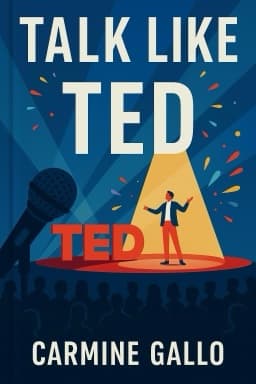
Have you ever wondered why some TED Talks rack up millions of views, while others fade into obscurity? The secret isn’t just in dazzling slides or celebrity speakers—it’s in a set of proven, science-backed principles anyone can master. In this blog, we’ll uncover the seven most powerful techniques from Carmine Gallo’s 'Talk Like TED,' supported by the latest research and real-world examples from viral talks. Prepare to transform your communication forever.
1. Passion is Contagious
Passion is the emotional engine that powers every unforgettable talk. Neuroscientists have discovered that when a speaker is genuinely passionate, their audience’s brains mirror that excitement, creating a shared state of engagement. Investors, educators, and even skeptical crowds respond more to passion than credentials alone. So before you craft your next message, ask yourself: What truly excites me? When you speak from your heart, you invite others to join you in that feeling.
2. Storytelling: The Soul of Persuasion
Stories aren’t just entertaining—they’re the most powerful tool for persuasion. When you share a personal story, your audience’s brainwaves sync with yours, creating empathy and deep understanding. Research shows people remember stories far better than facts or stats. Want to make your message unforgettable? Wrap it in a narrative arc: introduce a hero, build tension, and end with transformation. Whether it’s your own journey, a customer’s success, or a brand’s evolution, stories are the currency of human connection.
3. Practice Like a Pro
Authenticity isn’t born, it’s built. The world’s best TED speakers rehearse their talks hundreds of times, refining every gesture, pause, and inflection. Practice with friends, record yourself, and seek honest feedback. The goal? To make your delivery so natural it feels like a heartfelt conversation. Remember, your body language and vocal tone can carry more weight than your words—so rehearse until your presence radiates confidence and warmth.
4. Surprise and Teach Something New
Our brains are wired for novelty. When you present a surprising fact, a live demonstration, or a fresh perspective, your audience’s dopamine spikes—boosting attention and memory. The most-shared TED Talks often include jaw-dropping moments that leave viewers awestruck. Ask yourself: What can I teach that my audience has never heard before? How can I make familiar ideas feel new again?
5. Humor: The Shortcut to Connection
Laughter breaks down barriers and makes learning joyful. Authentic, gentle humor—especially self-deprecating stories or playful observations—builds trust and makes your message stick. Studies show that when people laugh, they’re more likely to remember what you say and share it with others. Don’t force it; let your natural wit and personality shine through.
6. Make It Stick: Structure, Visuals, and Simplicity
The best talks are concise and focused on one big idea. Visuals—whether images, props, or metaphors—help anchor your message in memory. Use short, clear phrases and avoid jargon. Remember, less is more: the 18-minute rule isn’t just tradition, it’s science. Pair your key points with vivid images, and your audience will remember them long after the talk ends.
7. Authenticity and Vulnerability: The Trust Multiplier
Audiences crave realness. The more honest and vulnerable you are—sharing doubts, failures, and lessons learned—the deeper your connection. Authenticity builds trust faster than expertise alone. Don’t imitate others; find your unique voice and let your true self shine. When you’re genuine, your message becomes irresistible.
Conclusion: Inspire Action, Change the World
The greatest talks don’t just inform—they inspire action. Combine passion, storytelling, novelty, humor, visual clarity, and authenticity, and you’ll have the recipe for a message that spreads, sticks, and changes lives. Ready to step onto your own TED stage?
Want to explore more insights from this book?
Read the full book summary