
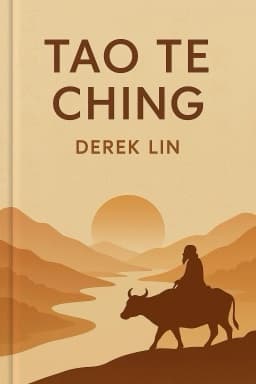
Why the Tao Te Ching Is the Ultimate Self-Help Book You’ve Never Read
Unlock Ancient Secrets for Modern Success—Without Trying So Hard
In a world obsessed with productivity hacks, morning routines, and ten-step plans to success, the Tao Te Ching stands out as a beacon of radical simplicity. Imagine a guidebook that tells you to stop striving, to let go of your need to control, and to find strength in gentleness. That’s the paradoxical promise of Lao Tzu’s ancient masterpiece, and it’s exactly why this text is more relevant than ever for anyone seeking personal growth today.
The Wisdom of Letting Go
Most self-help books urge you to set goals, push harder, and never give up. The Tao Te Ching, by contrast, invites you to let go. It teaches that the more we try to force outcomes, the more resistance we encounter. Instead, it suggests that life works best when we move with the current, not against it. This is the heart of Wu Wei—the art of effortless action. Picture a stream winding around rocks: it gets where it’s going not by smashing through obstacles, but by flowing around them.
Finding Strength in Gentleness
The Tao Te Ching flips conventional wisdom on its head. Where modern culture glorifies toughness and domination, Lao Tzu celebrates softness and yielding. He compares water to the ultimate force—not because it’s hard, but because it’s flexible and persistent. In relationships, work, and even self-discipline, the power of gentleness can dissolve resistance and create lasting change.
The Joy of Contentment
Ambition is often praised as the engine of progress, but the Tao Te Ching warns that endless striving leads to anxiety and disappointment. Instead, it teaches the art of contentment—finding satisfaction in what you have and knowing when to stop. This isn’t about giving up on dreams, but about cultivating gratitude and enjoying the present moment.
Practical Taoism: How to Apply Ancient Wisdom Today
So how can you use the Tao Te Ching in your own life? Start by noticing where you’re forcing things—at work, in relationships, or even in your own self-improvement efforts. Try stepping back, relaxing your grip, and allowing solutions to emerge naturally. Practice being like water: adaptable, patient, and unafraid to take the gentle path. Over time, you’ll find that the less you push, the more things fall into place.
Whether you’re burned out by the rat race or just looking for a more peaceful way to grow, the Tao Te Ching offers a timeless alternative. It’s not about doing more, but about being more—by doing less.
Want to explore more insights from this book?
Read the full book summary