
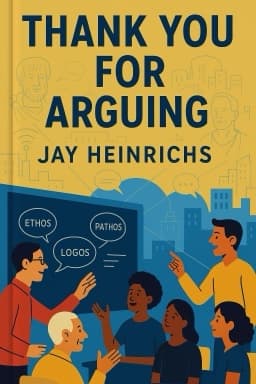
Why Most Arguments Fail (And How to Fix Them, According to Jay Heinrichs)
Stop fighting, start persuading: The science-backed secrets to turning conflict into consensus.

Have you ever walked away from an argument feeling frustrated, misunderstood, or even more entrenched in your own position? You’re not alone. Most of us fall into the same traps: focusing on blame, getting stuck in the past, or trying to 'win' at the expense of real understanding. But what if there was a better way?
The Blame Game: Why It Never Works
Jay Heinrichs, in his bestselling book 'Thank You for Arguing,' reveals that arguments about the past—who’s at fault—rarely lead to resolution. Instead, they keep us spinning our wheels, replaying old hurts and never moving forward.
Shift the Tense, Shift the Outcome
The breakthrough comes when we move from the past and present to the future. Instead of asking, 'Who messed up?' ask, 'What should we do now?' This simple shift unlocks creative solutions and helps everyone feel heard and empowered.
From Adversaries to Allies
Arguments don’t have to be win-lose. By focusing on shared goals and using the tools of rhetoric—ethos, pathos, and logos—you can turn even the most heated conflict into a chance for collaboration and growth. Heinrichs shows how to use stories, humor, and small concessions to build bridges instead of walls.
Practical Steps for Fixing Arguments
- Pause and ask yourself what you really want from the conversation.
- Steer the discussion to the future tense: 'How can we solve this together?'
- Blend logic, trust, and emotion to reach your audience.
- Let others save face and feel respected.
- Use small acts of kindness and humor to defuse tension.
Conclusion: From Conflict to Consensus
By understanding why most arguments fail—and applying these practical fixes from 'Thank You for Arguing'—you’ll be able to resolve conflicts faster, deepen your relationships, and become a leader people want to follow. The next time you find yourself in a heated discussion, remember: it’s not about winning the fight. It’s about finding a way forward, together.
Want to explore more insights from this book?
Read the full book summary