
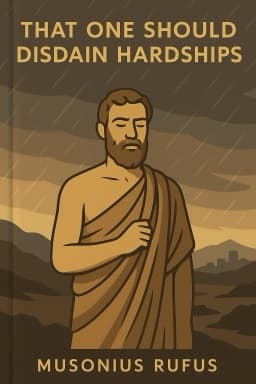
Unlocking the Ancient Secrets: How Musonius Rufus Can Transform Your Life Today
Discover the timeless Stoic wisdom of Musonius Rufus and learn how his teachings on virtue, resilience, and equality can empower your modern life.

Why Musonius Rufus Matters Now More Than Ever
In a world overwhelmed by complexity and distraction, the simple, direct wisdom of Musonius Rufus shines like a beacon. This Roman Stoic philosopher, sometimes called the Roman Socrates, provides a roadmap for living a good life based on virtue, reason, and resilience. His teachings are not dusty relics but living guidance that can help us face modern anxieties with calm and courage.
Virtue is Innate and Universal. Musonius begins with the radical idea that virtue is not something only philosophers or elites can achieve. Instead, it is an innate spark within every human being. Laws apply to all, and so does virtue. This means that each of us, regardless of background, has the capacity to live nobly and justly.
Equality in Reason: Women and Philosophy
One of Musonius’s most remarkable insights is his insistence that women possess the same gift of reason as men and deserve equal access to philosophical education. Long before modern feminist thought, he argued that philosophy enhances women’s traditional roles, empowering them with self-control, justice, and courage. This holistic vision of education fosters harmony within the household and society.
Philosophy in Action: Training Body and Soul
Musonius stresses that philosophy is not idle speculation but a practical art requiring daily habituation. Like a musician who practices scales, the philosopher must live virtues through action. Physical endurance—facing cold, hunger, and hardship—builds courage and self-control, reinforcing the soul’s strength. This union of body and mind prepares us for life’s inevitable challenges.
Marriage as a Union of Virtue
Marriage, in Musonius’s view, is more than procreation; it is a sacred partnership of mutual love and virtue. Guided by divine patrons of love, husband and wife support each other in living justly and courageously. This foundation strengthens the household and, by extension, the city and human race itself.
Philosophy for Leaders: The King as Philosopher
Leadership demands wisdom, justice, and courage. Musonius teaches that the good king must be a philosopher, embodying self-control and fearlessness grounded in reason. Understanding that death and hardship are not evils frees rulers to govern justly for the common good.
Embracing Hardship and Finding Freedom Within
Hardship is universal and necessary. The philosopher welcomes trials as opportunities to cultivate virtue. Even exile, often seen as punishment, becomes a chance for reflection and growth. True freedom is the soul’s independence from external circumstance.
Grace Under Fire: Bearing Insults and Injuries
The Stoic sage does not internalize insults or physical blows. Disgrace lies in wrongdoing, not suffering injury. Philosophical forgiveness and resilience elevate the soul above petty offenses, fostering peace and civility.
Living Simply and Virtuously Every Day
Finally, Musonius calls us to integrate philosophy into daily life through simplicity, honest labor, and steady virtue. Rejecting luxury and excess aligns us with nature and leads to genuine contentment and happiness.
These timeless lessons from Musonius Rufus offer a powerful antidote to modern stress and confusion. By embracing virtue as our birthright, practicing philosophy in action, and cultivating inner freedom, we can live resilient, meaningful lives in any circumstance.
Want to explore more insights from this book?
Read the full book summary