
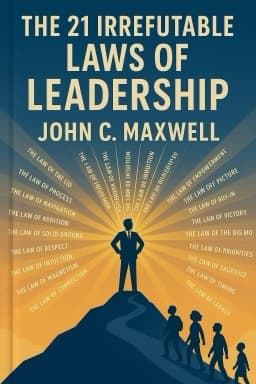
Why Influence Beats Authority: The Secret Sauce of True Leaders
How ordinary people become extraordinary leaders—without a title.

Forget the corner office or the fancy title. In the real world, leadership is about influence. John Maxwell’s Law of Influence proves that the ability to move people, inspire action, and shape outcomes comes not from authority, but from earned respect and trust. History is full of quiet figures who, without any official power, have led revolutions, healed communities, and inspired loyalty that outlasts any job description.
Take the example of a volunteer who rallies hundreds for a cause, or a teacher whose influence shapes generations. In business, studies show that employees are more likely to follow and emulate peers or managers they trust and respect—even if those individuals have no formal power. Emotional intelligence, empathy, and reliability are far more predictive of influence than job rank or technical skill.
Maxwell dispels the myth that managers are always leaders, or that entrepreneurs automatically inspire followers. Instead, he shows that influence is earned—through character, results, relationships, and the ability to serve others. In volunteer organizations, where there are no paychecks or promotions, the only thing that moves people is genuine influence. If you can lead volunteers, you can lead anyone.
How do you build influence? Start by listening deeply, keeping your promises, and lifting others up. Influence grows with every act of integrity, every time you help someone succeed, and every moment you demonstrate care. As your influence grows, so does your capacity to lead—no matter your title.
If you want to become a leader others willingly follow, focus less on climbing the ladder, and more on building influence one relationship at a time.
Sources:
2
3
1
Want to explore more insights from this book?
Read the full book summary