
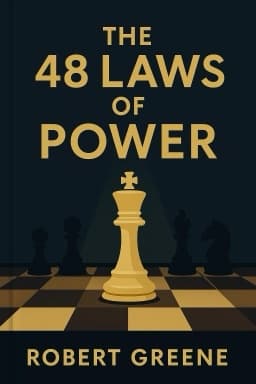
The Dark Side of Power: What Robert Greene’s 48 Laws Reveal About Human Nature
Explore the ethical dilemmas and psychological truths behind the pursuit of power as revealed by Robert Greene.

Power is a double-edged sword. Robert Greene’s The 48 Laws of Power unveils not only the strategies to gain influence but also the shadows lurking beneath. This blog delves into the ethical and psychological dimensions of power, challenging readers to reflect on the costs and responsibilities it entails.
The Corrupting Influence of Power – History shows that unchecked power often leads to corruption and abuse. Greene’s laws reveal how ambition can blind individuals to ethics, prompting ruthless behavior that harms others and oneself.
Strategy vs. Manipulation – The line between savvy strategy and unethical manipulation is thin. Understanding this boundary is essential to wield power responsibly and avoid destructive consequences.
The Psychological Truths of Human Nature – Greene’s work exposes the self-interest, envy, and fear that drive human behavior. Recognizing these traits helps in anticipating others’ actions but also calls for empathy and ethical restraint.
Balancing ambition with integrity requires constant vigilance. This blog offers practical advice on maintaining ethical boundaries while applying power principles, encouraging readers to pursue influence without sacrificing their values.
Explore the complex dance of power and morality to become not just powerful, but wise.
Want to explore more insights from this book?
Read the full book summary