
From Authority to Affection: How Permission Transforms Leadership
Why people follow leaders they like, and how to build authentic relationships that empower your team.

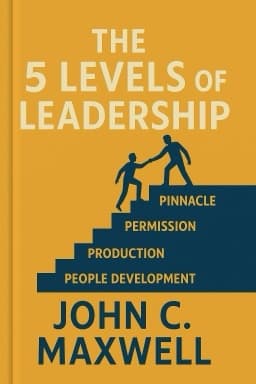
Leadership is not just about telling people what to do; it’s about earning the right to lead them. This is the essence of permission leadership — the second level in John Maxwell’s The 5 Levels of Leadership.
At this level, leadership shifts from positional authority to relational influence. Leaders who genuinely like and care for their people earn permission to lead. This permission is not granted by a title but earned through trust, respect, and mutual understanding.
Building these relationships requires time and effort. It means listening actively, showing empathy, and valuing individuals beyond their work roles. When leaders invest in people, they create an environment where team members feel safe, valued, and motivated.
Studies in emotional intelligence reveal that leaders who demonstrate empathy and social skills foster higher engagement and better team performance. Trust becomes the glue that holds the team together, enabling open communication and collaboration.
However, permission leadership is not about being liked at all costs. It requires authenticity and sometimes having difficult conversations with care and candor. Leaders must balance warmth with accountability to maintain respect and effectiveness.
Examples abound of leaders who transformed their teams by shifting from command-and-control to permission-based leadership. These leaders saw morale rise, creativity flourish, and productivity increase as their teams embraced shared goals and values.
Permission leadership sets the stage for even greater impact. Once trust is established, leaders can focus on producing results and developing others. The journey continues with momentum and growth.
Next, we will dive into how leaders convert permission into production — turning goodwill into tangible results that build credibility and propel teams forward.
Want to explore more insights from this book?
Read the full book summary