
Unlocking Leadership Secrets: Why Position Alone Won't Make You a Great Leader
Discover the hidden truths behind leadership and why your title is just the beginning of your journey.

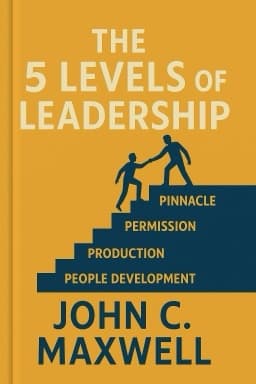
Leadership is often misunderstood as simply holding a title or a position of authority. Many aspire to leadership roles thinking that the title alone grants them the power to lead effectively. However, as the renowned leadership expert John Maxwell reveals in his book The 5 Levels of Leadership, position is merely the starting point — not the destination.
At Level 1, leadership is based on the rights granted by the position. People follow because they have to, not necessarily because they want to. This can create an environment where compliance is minimal, morale is low, and turnover is high. Employees may do the bare minimum, waiting for the clock to strike quitting time. This is a costly scenario for any organization, leading to lost productivity and disengaged teams.
But position also provides opportunity. It’s a platform from which a leader can begin to earn trust and build influence. The challenge is to recognize that holding a title is not enough. Leaders must actively work to move beyond position by investing in relationships, delivering results, and developing others.
Many leadership failures stem from an overreliance on positional power. Leaders who depend solely on their title often become isolated, unable to motivate or inspire. They may resort to micromanagement or authoritarian tactics, which erode trust and stifle creativity. Conversely, leaders who understand that influence must be earned create environments where people want to follow, not just have to.
Research supports this view. Studies show that organizations led by leaders who rely solely on authority suffer higher employee turnover and lower engagement scores. In contrast, leaders who cultivate influence through trust and results foster loyalty and high performance.
So, how can a leader move beyond position? The journey begins with self-awareness and a commitment to growth. Leaders must seek to understand their team members, build genuine relationships, and demonstrate competence through consistent results. Position is the foundation, but influence is the structure that must be built upon it.
As you reflect on your own leadership journey, ask yourself: Are you leading because of your title, or are you earning the right to lead through influence? The answer to this question will shape the trajectory of your leadership growth.
In the next blog, we will explore the powerful transition from positional leadership to permission-based leadership — where relationships become the key to unlocking true influence.
Want to explore more insights from this book?
Read the full book summary